
If you’re preparing a floor screed for tiling, ensuring the surface is strong and stable is critical to the success of your project. One common issue that may jeopardise your tiling work is the presence of laitance. In this guide, we’ll explain what laitance is, why it’s a problem, and how to effectively remove it before laying tiles. As a trusted tiling service provider in Bristol, Flex Tiling is here to share expert advice to help you achieve professional results.
What is Laitance?
Laitance refers to a weak, powdery layer that can form on the surface of concrete or screed during curing. It usually occurs when excess water and fine particles rise to the surface, often due to over-wetting the mixture or insufficient compaction. This layer lacks strength and durability, making it unsuitable for tiling.
Why is Laitance a Problem for Tiling?
If left untreated, laitance can lead to several issues:
- Poor Adhesion: The weak layer prevents the tile adhesive from bonding securely to the screed, which may cause tiles to become loose.
- Tile Instability: Laitance can cause uneven tile placement and affect the overall stability of the tiled surface.
- Reduced Durability: Over time, tiles laid on a surface with laitance are more prone to lifting and failure.
To ensure a successful and lasting tiling project, it’s essential to remove laitance and properly prepare the screed.
How to Identify Laitance on Floor Screed
Detecting laitance is straightforward if you follow these steps:
- Visual Check: Look for a powdery, chalk-like layer on the surface of the screed.
- Scratch Test: Use a scraper or stiff brush to scratch the surface. If a fine residue comes off easily, laitance is likely present.
- Water Test: Sprinkle water onto the screed. If it beads or fails to absorb, this could indicate laitance is forming a barrier.
Methods for Removing Laitance
Here are proven techniques for removing laitance before tiling:
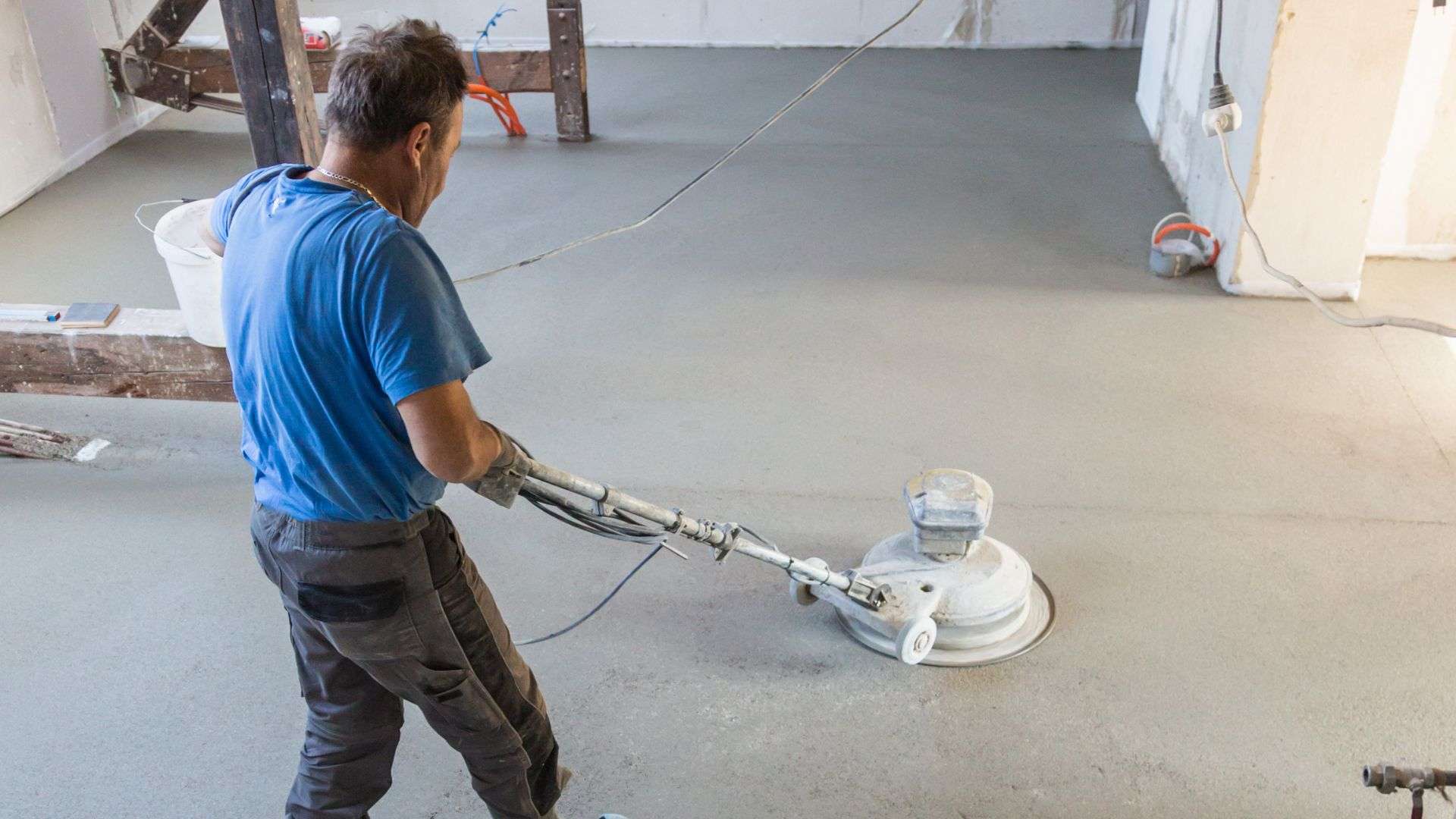
1. Mechanical Grinding: This method uses specialised equipment to grind away the laitance layer.
Steps:
- Equip a floor grinder with diamond grinding pads.
- Move the grinder evenly across the surface.
- Vacuum thoroughly to remove dust and debris.
Pros: Effective for large areas, smooth finish.
Cons: Dust generation; appropriate PPE is essential.
2. Shot Blasting: Shot blasting propels small steel shots at high speed to strip away laitance.
Steps:
- Operate the shot blaster in overlapping passes.
- Collect debris with an industrial vacuum.
Pros: Leaves a textured surface ideal for tile bonding.
Cons: Requires specialist equipment.
3. Acid Washing: Acid washing involves applying a diluted hydrochloric acid solution to dissolve laitance.
Steps:
- Prepare a solution of 1 part hydrochloric acid to 10 parts water.
- Apply the solution with a stiff brush and allow it to react for a few minutes.
- Rinse thoroughly with clean water.
Pros: Cost-effective for smaller areas.
Cons: Proper PPE and ventilation are essential.
Neutralising the Surface After Acid Washing
If you choose acid washing, neutralising the surface is essential to prevent corrosion and tile staining.
Steps:
- Mix a solution of baking soda or ammonia with water.
- Apply it evenly over the treated area.
- Rinse thoroughly and let it dry completely.
Drying the Screed Before Tiling
A completely dry surface is essential for proper tile adhesion. Use the following tips to ensure adequate drying:
- Employ fans or dehumidifiers to speed up drying.
- Allow sufficient drying time based on screed thickness.
- Perform a moisture test to confirm readiness for tiling.
Final Surface Preparation for Tiling
After laitance removal and drying, complete these final steps:
- Clean Thoroughly: Vacuum or mop the surface to remove any remaining dust.
- Apply a Primer: Use a suitable bonding primer to enhance tile adhesive performance.
- Repair Surface Defects: Fill any cracks or low spots with screed repair compound.
Why Choose Flex Tiling in Bristol?
At Flex Tiling, we understand the importance of proper screed preparation for a flawless tiling project. We specialise in both residential and commercial tiling, offering services ranging from bathroom renovations to outdoor patio installations. With years of experience serving Bristol and the surrounding areas, our team guarantees expert workmanship and durable results.
Conclusion
Properly preparing your floor screed by identifying and removing laitance is essential for a stable and durable tiling project. Neglecting this step can lead to poor adhesion, uneven tiles, and long-term maintenance issues. By following best practices—whether through mechanical grinding, shot blasting, or acid washing—you’ll create a strong foundation for beautiful and lasting tile work.
At Flex Tiling, we specialise in professional screed preparation and expert tiling solutions across Bristol and surrounding areas. Whether you’re planning a kitchen renovation, a bathroom upgrade, or an outdoor tiling project, our experienced team is here to help.
Need help with screed preparation or tiling in Bristol? Contact Flex Tiling today for professional advice and high-quality tiling services. Whether you’re dealing with laitance removal or looking to transform your living space with beautiful tiles, we’ve got you covered.
FAQs
What is laitance in screed?
Laitance in screed is a weak, powdery layer that forms on the surface due to excess water rising during the curing process. It typically consists of fine particles and can weaken the bond between the screed and tiles, making it essential to remove before tiling.
How to fix concrete laitance?
To fix concrete laitance:
- Mechanical Grinding: Use a floor grinder or shot blaster to remove the weak layer.
- Acid Wash: Apply a diluted hydrochloric acid solution to dissolve the laitance, followed by thorough rinsing and neutralisation.
- Cleaning and Drying: Ensure the surface is clean and completely dry before applying any finish or adhesive.
What is the difference between bleeding and laitance?
- Bleeding: Occurs when water rises to the surface of freshly poured concrete due to settling of heavier components.
- Laitance: Forms when this excess water carries fine particles to the surface, creating a weak and dusty layer after curing.
Bleeding typically precedes laitance formation during the curing process.
What is the cost of removing laitance in the UK?
The cost of removing laitance in the UK varies based on factors such as the size of the surface, the removal method (mechanical grinding or acid wash), and location. On average, prices may range between £5 to £15 per square metre for professional screed preparation. Contact local tiling specialists like Flex Tiling in Bristol for a tailored quote.