
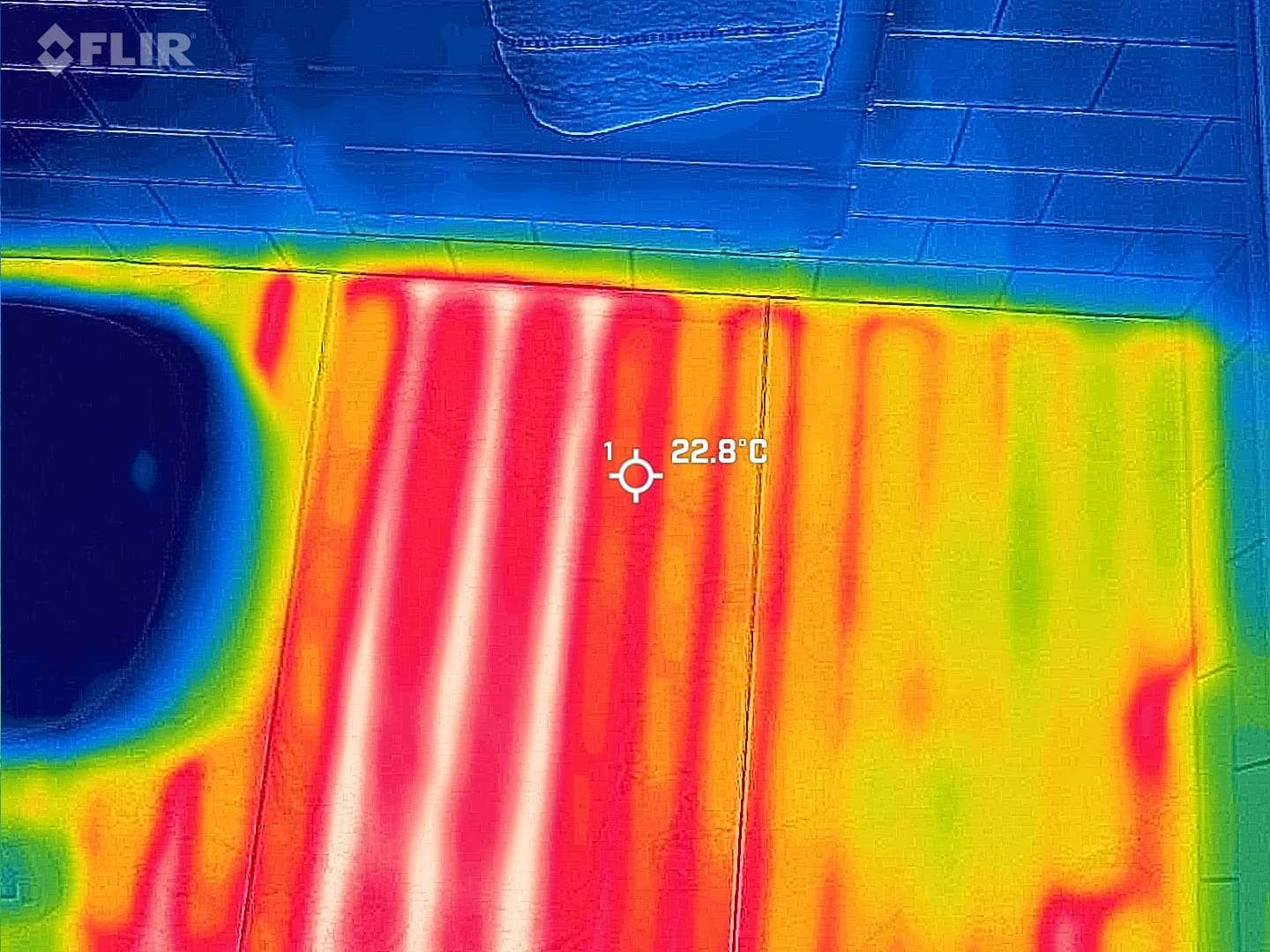
Underfloor heating is a fantastic way to keep your home warm and comfortable, but before enjoying its benefits, it needs to be properly commissioned. This process ensures the system operates efficiently, prevents potential damage, and maximises its lifespan.
Why Commissioning is Important
Skipping this step can lead to uneven heating, wasted energy, and even long-term damage to your flooring. A well-commissioned system distributes heat evenly, responds efficiently to controls, and avoids putting unnecessary strain on components.
Steps to Properly Commission Your System
Allow the Flooring to Settle
If the system is installed beneath newly laid flooring, it’s important to allow adhesives, screeds, or other materials to fully cure before turning on the heating. Rushing this step can cause cracks or damage.
Gradually Increase the Temperature
Rather than switching the system on at full power, it’s best to increase the temperature gradually over a few days. This prevents thermal shock, which could damage both the heating elements and the flooring.
Check for Even Heat Distribution
Once the system is running, check for cold spots or areas that heat up too quickly. Uneven heating might indicate trapped air, incorrect installation, or other underlying issues that need addressing.
Bleed the System if Necessary
For water-based underfloor heating, air bubbles in the pipes can prevent proper circulation. Bleeding the system removes trapped air and ensures consistent heat distribution.
Test Controls and Thermostats
Smart controls and thermostats allow you to regulate temperature efficiently. Testing these ensures the system responds correctly and maintains a comfortable environment without excessive energy use.
When to Call a Professional
Commissioning underfloor heating isn’t complicated, but it does require careful attention. If you’re unsure about any step, consulting a professional can help avoid costly mistakes and ensure everything is working perfectly.
Need UFH installation and tiling in Bristol?
Want to ensure your next underfloor heating and tiling project is commissioned correctly? Contact Flex Tiling today for a quotation on UFH and flooring.
For more detailed insights into underfloor heating, check out this comprehensive guide from Warmup.
FAQs
What is underfloor heating commissioning?
Commissioning an underfloor heating system means properly setting it up for efficient and long-term performance. This involves gradually increasing the temperature, ensuring even heat distribution, and testing controls to avoid damage.
Can you turn on underfloor heating immediately after installation?
No, it’s important to allow any adhesives, screeds, or flooring materials to fully cure before switching on the system. Turning it on too soon can lead to cracks or structural issues.
How long does it take to commission underfloor heating?
The process can take several days, as the temperature should be increased gradually to prevent thermal shock. This helps ensure the system functions correctly and efficiently.
Why does my underfloor heating have cold spots?
Cold spots could be due to trapped air, incorrect pipe or cable spacing, or problems with the installation. Bleeding the system or checking the layout can help resolve the issue.
Do I need a professional to commission underfloor heating?
While many steps can be done yourself, a professional can ensure everything is set up correctly, especially for water-based systems that require bleeding and pressure checks.
Can underfloor heating be controlled by a smart thermostat?
Yes, modern underfloor heating systems are compatible with smart thermostats, which allow precise temperature control and improved energy efficiency.
What happens if underfloor heating isn’t commissioned properly?
If commissioning is skipped or done incorrectly, the system may be inefficient, causing uneven heating, higher energy bills, or damage to flooring and heating components.
Is commissioning different for electric and water-based underfloor heating?
Yes, water-based systems need to be bled to remove air pockets, while electric systems require careful power-up to avoid damaging the cables. Both types should be gradually heated.
How do I test if my underfloor heating is working correctly?
Check for even heat distribution, ensure the thermostat responds correctly, and listen for any unusual noises in water-based systems that could indicate trapped air.