
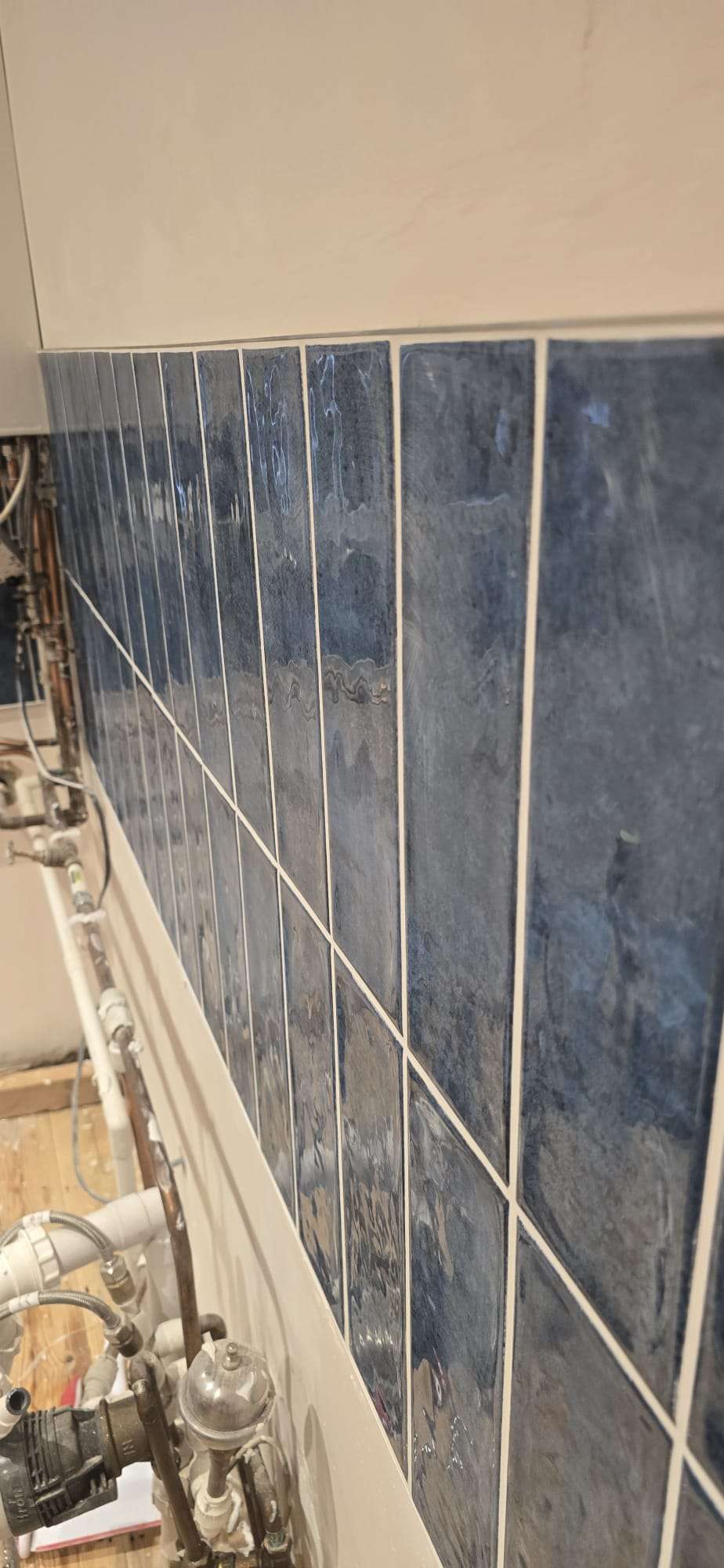
When selecting tiles for your home or business, one of the most common questions is: should you choose porcelain or ceramic? Both materials have their own advantages, and the best option depends on your specific needs.
What’s the Difference Between Porcelain and Ceramic Tiles?
Porcelain and ceramic tiles are both made from clay and fired in a kiln, but porcelain is fired at a higher temperature and is denser, making it more durable. Here’s how they compare:
Porcelain Tiles: Durable and Versatile
- High Durability: Porcelain is harder and more resistant to scratches, stains, and wear, making it ideal for high-traffic areas.
- Water Resistance: With a lower water absorption rate, porcelain is perfect for bathrooms, kitchens, and outdoor spaces.
- Realistic Finishes: Available in styles that mimic natural stone, wood, and concrete for a high-end look.
- Low Maintenance: Easy to clean and highly resistant to moisture and stains.
Ceramic Tiles: Affordable and Stylish
- Budget-Friendly: Generally more affordable than porcelain, making it a cost-effective option.
- Wide Design Variety: Available in an extensive range of colours, patterns, and textures to suit any decor.
- Easy to Cut and Install: Softer than porcelain, making it easier to work with for DIY projects.
- Ideal for Walls and Low-Traffic Areas: Perfect for bathroom walls, kitchen splashbacks, and spaces with lighter use.
Which Tile is Best for You?
If you need a highly durable, water-resistant tile for floors, high-traffic areas, or outdoor use, porcelain is the superior choice. However, if you want a stylish and budget-friendly tile for walls or lower-traffic areas, ceramic is a great option.
Expert Tiling Services in Bristol
At Flex Tiling, we provide expert advice and professional installation for both porcelain and ceramic tiles. Whether you’re renovating a bathroom, upgrading a kitchen, or tiling an entire home, we ensure a flawless finish. Get in touch with Flex Tiling today
FAQs
What is the main difference between porcelain and ceramic tiles?
Porcelain tiles are denser, harder, and more water-resistant than ceramic tiles, making them ideal for high-traffic and wet areas.
Are porcelain tiles better for outdoor use?
Yes, porcelain tiles have a lower water absorption rate and are more resistant to frost and weather conditions, making them suitable for outdoor spaces.
Are ceramic tiles easier to cut and install?
Yes, ceramic tiles are softer and easier to cut than porcelain, making them a good choice for DIY projects and intricate designs.
Which tile is best for bathroom floors?
Porcelain tiles are the better option for bathroom floors due to their high durability and resistance to water and stains.
Can ceramic tiles be used on kitchen splashbacks?
Yes, ceramic tiles are a great choice for kitchen splashbacks as they come in a wide range of designs and are easy to clean.
Do porcelain tiles require sealing?
Most porcelain tiles are non-porous and do not need sealing, but polished or unglazed porcelain may benefit from a sealant.
Are ceramic tiles more affordable than porcelain?
Yes, ceramic tiles are generally more budget-friendly than porcelain, making them a cost-effective option for walls and low-traffic areas.
Can underfloor heating be used with both porcelain and ceramic tiles?
Yes, both types of tiles work well with underfloor heating, but porcelain retains heat better due to its density.
How do I clean and maintain porcelain tiles?
Porcelain tiles are low-maintenance and can be cleaned with warm water and mild detergent. Avoid using harsh chemicals that could damage the surface.
What is the best tile choice for commercial spaces?
Porcelain tiles are the preferred option for commercial spaces due to their durability, stain resistance, and ability to withstand heavy foot traffic.