
Thinking about changing your tiled floor but worried about damaging your underfloor heating? You’re not alone! Many homeowners face this dilemma when they want a fresh look but don’t want to risk harming the heating system beneath. The good news is that tile removal can be done safely—if approached the right way.
Understanding the Risks
Underfloor heating is often embedded in a layer of screed beneath the tiles. If you’re not careful, removing tiles can lead to damage, including broken heating pipes or damaged electrical elements. The key is to use the right techniques and tools to minimise risk.
How to Safely Remove Tiles Over Underfloor Heating
Use Gentle Removal Techniques
Instead of heavy-duty power tools, opt for hand tools like chisels and hammers to carefully break and lift the tiles. The slower and more precise you are, the better.
Identify the Type of Heating System
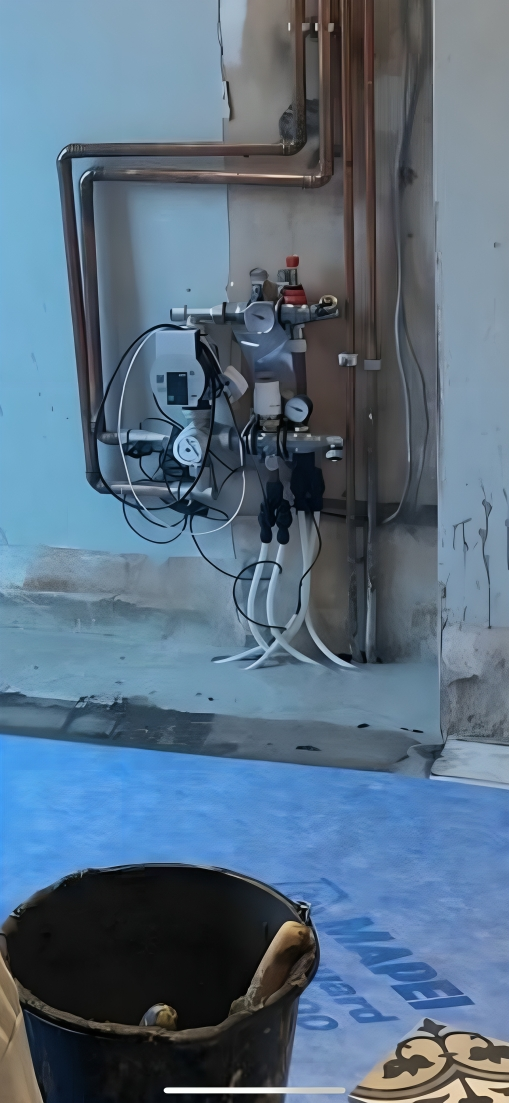
There are two types of underfloor heating: electric and water-based. Electric systems use heating mats or wires, while water-based systems consist of pipes running hot water beneath the floor. Knowing which one you have helps determine the best removal method.
Work in Small Sections
Start at the edges and work your way in, lifting tiles gradually rather than applying too much force at once. This reduces the risk of accidentally hitting the heating system.
Check for Damage
Once tiles are removed, inspect the heating system for any visible issues before retiling. If you suspect damage, it’s best to get a professional opinion.
When to Call a Professional
If you’re unsure about tackling this job yourself, hiring a professional tiler is the safest option. Experts have the right tools and experience to remove tiles without harming your heating system. At Flex Tiling, we specialise in safe tile removal and expert retiling, ensuring your underfloor heating remains intact.
Need Professional Help?
Removing tiles over underfloor heating requires patience and the right technique. If you’re thinking about updating your flooring and want expert help, get in touch with Flex Tiling today. Our experienced team ensures a smooth process, so you can enjoy a fresh new look without the worry.
For more in-depth advice on underfloor heating and tiling, check out this underfloor heating guide.
FAQs
Can you remove tiles without damaging underfloor heating?
Yes, but it requires careful removal using hand tools instead of heavy machinery to avoid damaging the heating system beneath the tiles.
What type of underfloor heating is most at risk during tile removal?
Electric heating mats are more vulnerable to damage than water-based systems because they contain delicate wiring close to the surface.
How do I know if my underfloor heating is damaged after removing tiles?
Check for visible breaks, frayed wires, or leaks in water-based systems. If in doubt, a professional can test the system before retiling.
Can I replace tiles without removing the underfloor heating?
Yes, as long as the heating system is undamaged, you can install new tiles directly onto the existing subfloor.
What is the best tool for removing tiles over underfloor heating?
A hammer and chisel or a multi-tool with a tile-removal attachment can help carefully lift tiles without excessive force.
Should I turn off the underfloor heating before removing tiles?
Yes, it’s essential to switch off the system and allow it to cool completely before starting tile removal.
Can I repair damaged underfloor heating after removing tiles?
Minor damage to electric heating can sometimes be repaired, but extensive damage may require replacing sections of the system.
How long does it take to remove tiles over underfloor heating?
It depends on the tile type and adhesive, but careful removal can take several hours to avoid damaging the system.
Is it possible to lay new tiles over existing ones instead of removing them?
Yes, if the existing tiles are in good condition, new tiles can be laid over them using the right adhesive.
When should I call a professional for tile removal?
If you’re unsure about the process or worried about damaging the heating system, a professional tiler can ensure a safe and efficient job.