
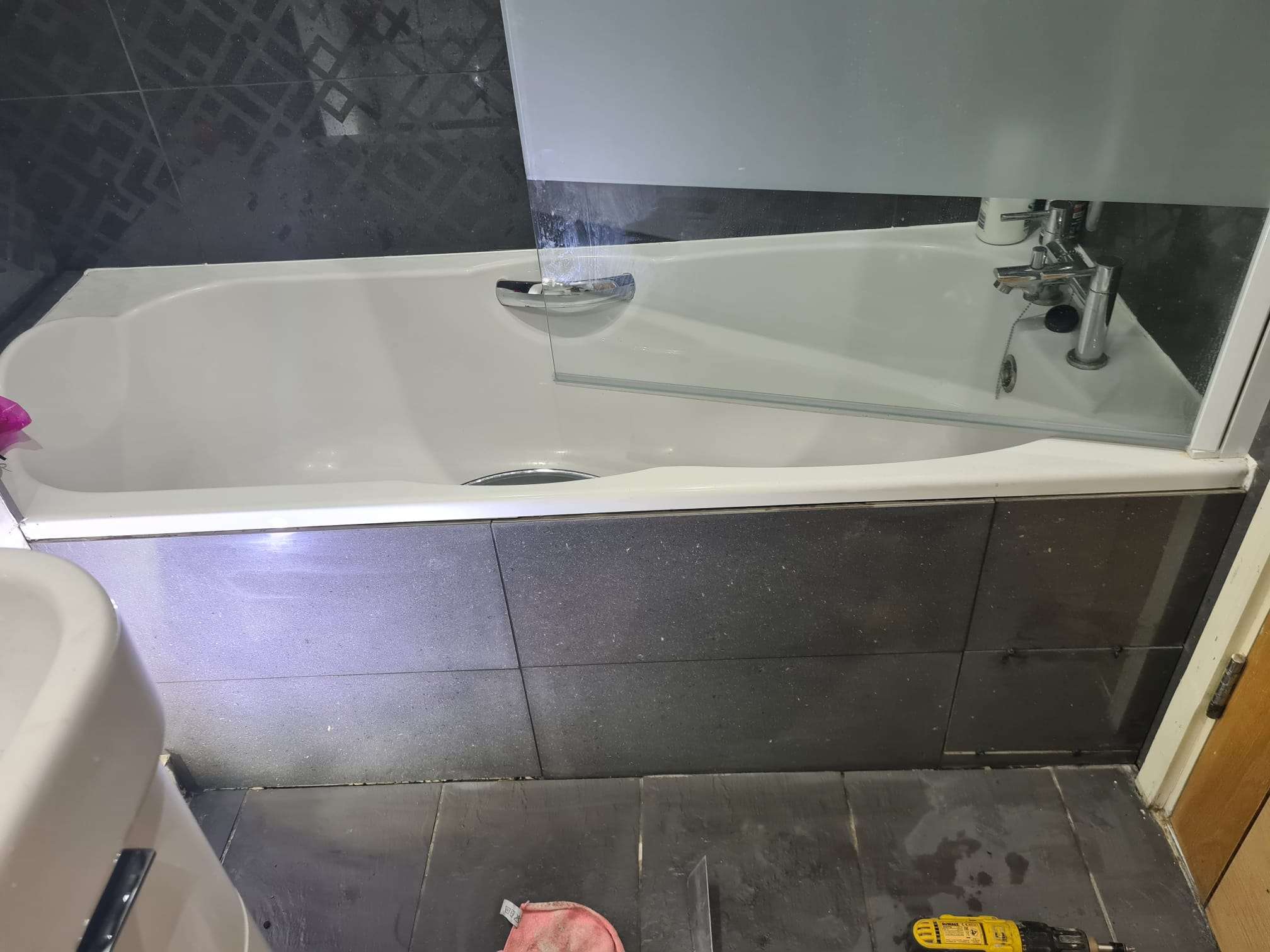
If you are renovating your bathroom, whether retiling the floor and walls or replacing an over-bath shower, you may be advised to remove the bath. This raises the question:
“Is it worth reusing an old bath if it has been removed?”
The answer depends on several factors, including the bath’s condition, material, and whether it is more cost-effective to replace it.
When Is Reusing an Old Bath a Good Idea?
Reinstalling an existing bath can be worthwhile if:
- It is in good condition, with no cracks, chips, or major staining.
- You like its design and size, as finding a new bath with the same dimensions can be difficult.
- It is a high-quality bath made from cast iron, steel, or stone resin, which can last for decades.
If your bath meets these criteria, reusing it could save money and reduce waste.
Challenges of Reusing an Old Bath
Although it may seem cost-effective, reinstalling an old bath has some downsides.
- Cleaning and preparation: The bath must be thoroughly cleaned, with all old silicone, grout, and tile adhesive removed.
- Fit issues: If new tiles have been fitted, the bath may no longer align perfectly, requiring adjustments or filler.
- Hidden wear and tear: Hairline cracks, weakened enamel, or unseen plumbing issues may only become apparent after removal.
- Seals and plumbing: Waste pipes, traps, and seals degrade over time. Replacing these while the bath is out is strongly recommended.
Is It Cheaper to Buy a New Bath?
A new bath can range from an affordable acrylic model to a premium stone or freestanding bath. If you are already hiring a plumber, the labour cost to reinstall an old bath versus fitting a new one is similar. However, reusing an old bath may take longer due to extra cleaning and alignment work.
Cost Breakdown: New vs Reused Bath
| Factor | Reusing Old Bath | Basic Acrylic Bath | Mid-Range Steel Bath | High-End Freestanding or Stone Bath |
|---|---|---|---|---|
| Bath Cost | £0 (existing) | £100–£200 | £300–£800 | £1,500–£4,000+ |
| Cleaning and Preparation | High | None | None | None |
| Plumbing | May need upgrades | New components included | New components included | New components included |
| Installation Cost | Similar | Similar | May be higher | Often higher due to weight |
| Fit with New Tiles | May need adjustments | Perfect fit | Perfect fit | May require additional floor support |
Final Verdict: Should You Reuse an Old Bath?
If your existing bath is high-quality, in good condition, and fits well, it can be worth reusing. However, if it is damaged, outdated, or does not align with new tiles, replacing it may be the better option.
For those renovating a bathroom in the UK, labour costs, time, and potential issues should be carefully considered before making a decision.
Need Help with Your Bathroom Renovation in Bristol?
At Flex Tiling, we specialize in bathroom tiling, whether you’re reusing an existing bath or installing a brand-new one. Our expert team ensures flawless tile installation, seamless bath fitting, and a professional finish that enhances your space.
FAQs
Is it worth having a bath re-enamelled?
Re-enamelling can be a cost-effective way to restore a high-quality bath, especially if it is made from cast iron or steel. However, the finish may not be as durable as the original enamel, and professional refinishing is recommended for long-lasting results.
Are old bathtubs worth anything?
Some old bathtubs, particularly cast iron or antique clawfoot tubs, can be valuable. They are often sought after for restoration or repurposing. Acrylic or standard steel baths, however, have little resale value.
What can I do with an old bath?
If your old bath is still in decent condition, you can sell or donate it. Otherwise, it can be repurposed into a garden planter, water feature, or even an outdoor seating area. If disposal is necessary, check with local recycling centres for environmentally friendly options.
Is it a good idea to reglaze a bathtub?
Reglazing (also called resurfacing) can refresh the appearance of an old bath and extend its lifespan. However, the new surface is more delicate than the original enamel and may require careful maintenance to prevent chipping.
How long does a reglazed bath last?
A professionally reglazed bath can last 5–10 years with proper care. Avoid using abrasive cleaners, and be gentle when placing heavy objects in the bath to extend its lifespan.
Can I reuse my old bath taps and waste fittings?
Yes, but it depends on their condition. If they are in good working order, they can be cleaned and reinstalled. However, if they are corroded, leaking, or outdated, replacing them is usually the best option.
Will a new bath fit exactly where the old one was?
Not always. Even baths with the same dimensions may have slight variations in shape or mounting points. If you are replacing your bath, measure carefully and be prepared to make small adjustments.
Is it cheaper to reinstall an old bath or buy a new one?
If your old bath is in good condition, reinstalling it can save money. However, factoring in cleaning, refinishing, and possible fit issues, buying a new bath may be the more practical choice.
Can an old bath be recycled?
Yes, metal baths (such as cast iron and steel) can be taken to a scrap yard for recycling. Some acrylic baths can also be recycled, but check with your local waste disposal service for specific guidelines.
How much does it cost to replace a bath in the UK?
The cost depends on the bath type and installation fees. A basic acrylic bath can be installed for £300–£600, while a high-end freestanding bath may cost £1,500+ including installation.