
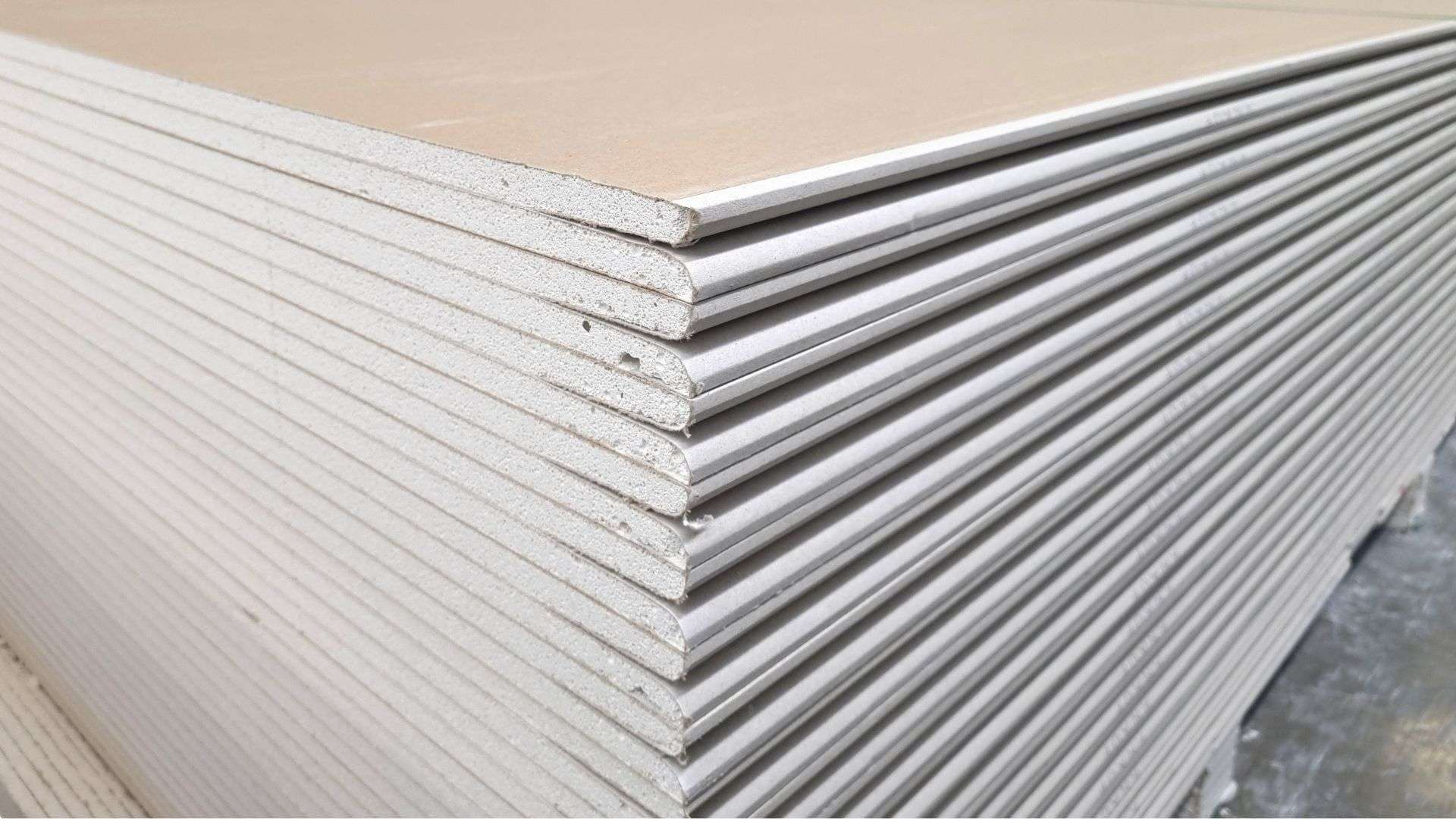
When renovating or designing a bathroom, shower area, or wet room, selecting the right materials is crucial to ensure durability and protection against water damage. One of the most common decisions homeowners and contractors face is whether to use aquaboard or plasterboard. While both materials have their uses, aquaboards offer superior water resistance and long-term performance in moisture-prone environments.
Understanding Aquaboards
Aquaboards, also known as cementitious boards or tilebacker boards, are made from a combination of cement and fibreglass mesh. This robust construction makes them highly resistant to water and moisture, making them the go-to choice for wet rooms and bathrooms.
Key Features of Aquaboards
- Water Resistance: Designed specifically to repel water, aquaboards prevent issues like swelling, deterioration, and mould growth.
- Durability: Their sturdy cement-based composition ensures they remain strong and stable in wet environments.
- Ideal for Tiling: Aquaboards provide a secure base for tiles, reducing the risk of cracks or detachment.
- Fire Resistance: Many aquaboards are fire-resistant, adding an extra layer of safety.
- Versatility: They are suitable for both walls and floors and can be easily cut to size with the right tools.
At Flex Tiling, we use high-quality aquaboards to ensure your wet room or bathroom remains water-resistant and beautiful for years to come.
What Are Plasterboards?
Plasterboards, often referred to as drywall or gypsum boards, are made from a gypsum core encased in layers of paper. These boards are popular in general construction due to their affordability and ease of installation.
Types of Plasterboards
- Standard Plasterboards: Suitable for dry interior spaces.
- Moisture-Resistant Plasterboards: Treated with water-repellent additives to offer limited protection against moisture.
- Fire-Resistant Plasterboards: Reinforced with glass fibres for enhanced fire resistance.
While moisture-resistant plasterboards (sometimes called green boards) offer better water protection than standard plasterboards, they are still not ideal for continuously wet environments like wet rooms.
Why Choose Aquaboards for Wet Rooms?
- Waterproofing: Aquaboards are built to withstand constant exposure to water, ensuring long-lasting protection.
- Durability: They maintain their structural integrity in damp environments, unlike plasterboards which can deteriorate over time.
- Prevention of Mould and Mildew: The water-resistant nature of aquaboards helps prevent the growth of harmful mould and mildew.
- Tiling Stability: Aquaboards provide a strong and stable base for tiles, reducing the risk of tile lifting or cracking.
- Fire Safety: Many aquaboards come with fire-resistant properties, offering additional peace of mind.
If you’re unsure whether aquaboard is the right choice for your project, contact Flex Tiling in Bristol for expert advice and professional installation services.
Installation Tips for Aquaboards
Installing aquaboards can be more challenging than plasterboards due to their heavier composition, but the process is straightforward with the right approach.
Steps for Installing Aquaboards
- Measure and Cut: Use a carbide-tipped scoring tool to cut the boards to size.
- Secure the Boards: Fix them to studs or a solid surface using corrosion-resistant screws.
- Seal Joints: Apply waterproof tape and sealant to all joints and corners.
- Tile the Surface: Once installed, aquaboards provide an excellent base for tiling.
At Flex Tiling, we specialise in the installation of aquaboards and ensure a seamless finish that protects your wet room from water damage.
Cost Comparison
While aquaboards are more expensive than plasterboards, the long-term benefits outweigh the initial investment. Their superior water resistance and durability mean fewer repairs and replacements over time.
Choosing the Right Material for Your Project
If your project involves creating or upgrading a wet room, shower, or bathroom, aquaboards are undoubtedly the best choice. Their ability to withstand water exposure, provide a stable tiling base, and prevent mould growth makes them an invaluable component of any high-quality bathroom installation.
Plasterboards may be suitable for dry areas of your home or parts of a bathroom not exposed to direct moisture, but they are not a reliable option for wet environments.
Work with the Experts at Flex Tiling in Bristol
At Flex Tiling, we have years of experience providing high-quality tiling services throughout Bristol and the surrounding areas. Whether you’re looking to install a new wet room, renovate your bathroom, or simply need expert advice on the best materials for your project, we’re here to help.
Why Choose Flex Tiling?
- Expert advice on material selection.
- Professional aquaboard installation.
- Flawless tiling finishes.
- Reliable and efficient service.
Conclusion
When deciding between aquaboard and plasterboard for your wet room, aquaboards are undoubtedly the better choice. Their superior water resistance, durability, and suitability for tiling make them the ideal solution for spaces exposed to moisture. While plasterboards may be suitable for dry areas or parts of a bathroom not directly exposed to water, they simply cannot match the performance of aquaboards in wet environments.
Ready to transform your bathroom or wet room with durable, water-resistant materials? Contact Flex Tiling in Bristol today for a free consultation and expert tiling services. Visit our website or contact us to get started.
FAQs
What is aqua plasterboard?
Aqua plasterboard, also known as moisture-resistant plasterboard or water-resistant drywall, is specially designed for areas with high humidity, such as bathrooms, kitchens, and laundry rooms. It features a moisture-resistant core and a special paper lining, making it more durable and less prone to mold growth when exposed to damp conditions.
What is better than plasterboard?
Whether something is “better” than plasterboard depends on the specific needs of the project. For example:
- Greenboard is more moisture-resistant than standard plasterboard, making it a better option for areas with high humidity.
- Cement board offers superior resistance to moisture and is often used in areas prone to wet conditions, like bathrooms and kitchens.
- Insulated plasterboard offers better thermal and sound insulation properties. The best option depends on your needs—whether it’s moisture resistance, insulation, or fire resistance.
What is the difference between moisture board and plasterboard?
The main difference between moisture board (also known as moisture-resistant plasterboard) and standard plasterboard is their ability to withstand moisture. Moisture board has a special core and lining that make it more resistant to water and mold growth, making it ideal for areas with high humidity, like bathrooms and kitchens. On the other hand, standard plasterboard is not designed to resist moisture and can degrade if exposed to damp conditions for extended periods.