
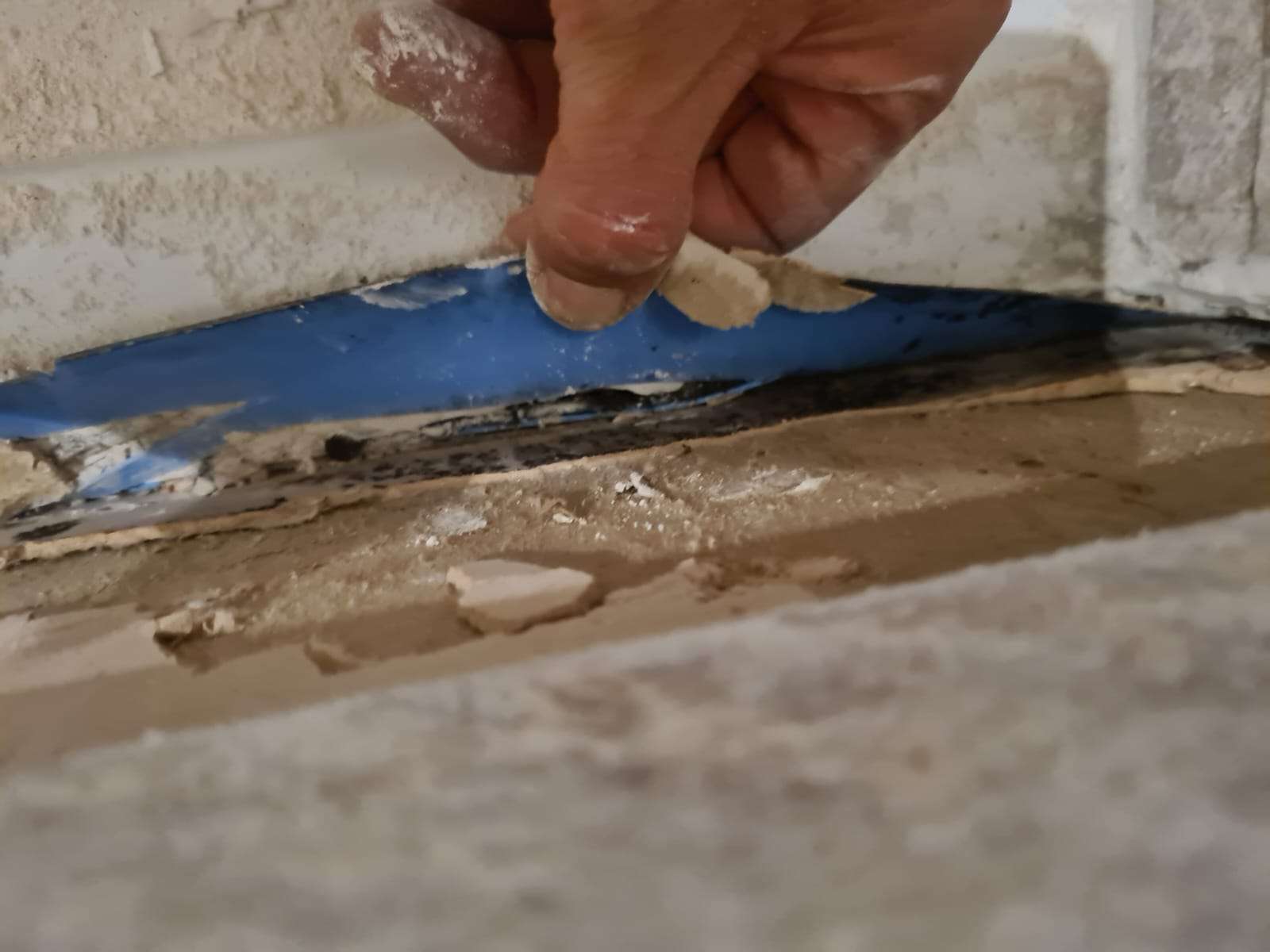
When it comes to maintaining a waterproof bathroom, especially around the shower area, one of the most common culprits for leaks is compromised silicone. Cutting silicone can lead to leaks if not done correctly. Silicone seals the gaps between shower trays, walls, and other fixtures, ensuring that water stays where it should—inside the shower and not leaking onto the floor or walls. However, what happens when silicone is cut out or removed incorrectly, especially if you try to replace it without considering the underlying waterproofing systems like the tanking membrane?
The Role of Silicone in Your Shower
Silicone is essential for creating a watertight seal around areas exposed to water, such as between the shower tray and the wall, the base of the shower enclosure, or around taps and valves. Over time, silicone can degrade, discolour, or lose its flexibility, leading homeowners to believe that simply cutting and replacing it will fix the problem.
However, silicone serves more than just an aesthetic purpose. It helps prevent water from seeping into cracks, where it could damage underlying materials, such as plasterboard, wood, or the floor beneath the shower tray.
The Risk of Cutting the Silicone
A recent case highlighted how cutting out old silicone, especially around a shower tray, can unintentionally compromise the tanking membrane behind the tiles. Cutting silicone can lead to leaks if the tanking membrane is disturbed during the removal process.
Tanking, or waterproofing, is a crucial step in shower installation. It involves applying a protective membrane on the walls and floors before tiling. This layer prevents water from seeping through to the building’s structure, preventing mould, mildew, and potential structural damage. Tanking is typically done using a waterproofing system such as a liquid membrane or a waterproof board (like Jackoboard).
In this particular case, the customer attempted to remove old silicone to reseal the shower area. However, in the process, the silicone was cut so aggressively that it also disturbed the tanking membrane underneath. As a result, water began to leak behind the tiles, bypassing the silicone seal and seeping through the compromised membrane.
What Happens When the Tanking Membrane Is Compromised?
The tanking membrane is designed to keep water away from vulnerable areas behind the tiles, such as the wall studs, insulation, and other materials. If the membrane is damaged, even a small amount of water can cause significant damage. The water may:
- Penetrate behind the tiles and walls
- Cause mould and mildew growth in hidden areas
- Lead to water damage on the floor or ceiling beneath the shower
- Weaken the structure of the wall or floor, leading to costly repairs
When the membrane is compromised, the shower may seem fine on the surface, but water will slowly infiltrate, leading to hidden damage that worsens over time. Leaks may become more apparent when the water eventually seeps through to the room’s surfaces.
How to Avoid This Problem
If you’re maintaining your shower or planning to replace the silicone yourself, it’s essential to be aware of the risks involved. Here are some key steps to avoid damaging the tanking membrane:
- Carefully Inspect Before Replacing Silicone: Before cutting or removing old silicone, check the condition of the tanking membrane behind the tiles. The silicone should be cut as cleanly as possible, without disturbing the tiles or the waterproofing system.
- Be Gentle with Removal: If you need to remove old silicone, use a soft tool or blade to gently scrape it off. Avoid using sharp or aggressive tools that may disturb the membrane behind it.
- Use the Right Silicone: Use a high-quality silicone sealant designed for wet areas, such as a mould-resistant, waterproof version. This will help prevent the need for frequent resealing and ensure long-lasting performance.
- Consult a Professional for Tanking Issues: If you notice any damage to the tanking membrane (such as tears or gaps), it’s best to call in a professional to address the issue before it worsens. Replacing or repairing the tanking membrane requires skill and attention to detail to ensure that the shower remains properly sealed and waterproofed.
- Reapply Silicone Correctly: When reapplying silicone, make sure the surface is dry and clean. Avoid getting any silicone onto the tanking membrane or the tile surface itself, as this can reduce adhesion.
- Consider Professional Help: If you’re unsure about removing or replacing silicone around your shower, consider hiring a professional who can handle both the sealing and any necessary repairs to the tanking system. A professional installer will know how to work around the waterproofing membranes without compromising their integrity.
Conclusion
Cutting out old silicone may seem like a simple task, but if done improperly, it can lead to bigger issues such as leaks and long-term water damage. By taking care when removing silicone, inspecting the tanking system, and ensuring a proper reapplication of high-quality sealant, you can help ensure that your shower remains waterproof and safe. If you’re ever in doubt, it’s best to consult a professional who can address both the sealing and any underlying waterproofing issues to avoid costly damage down the line.