
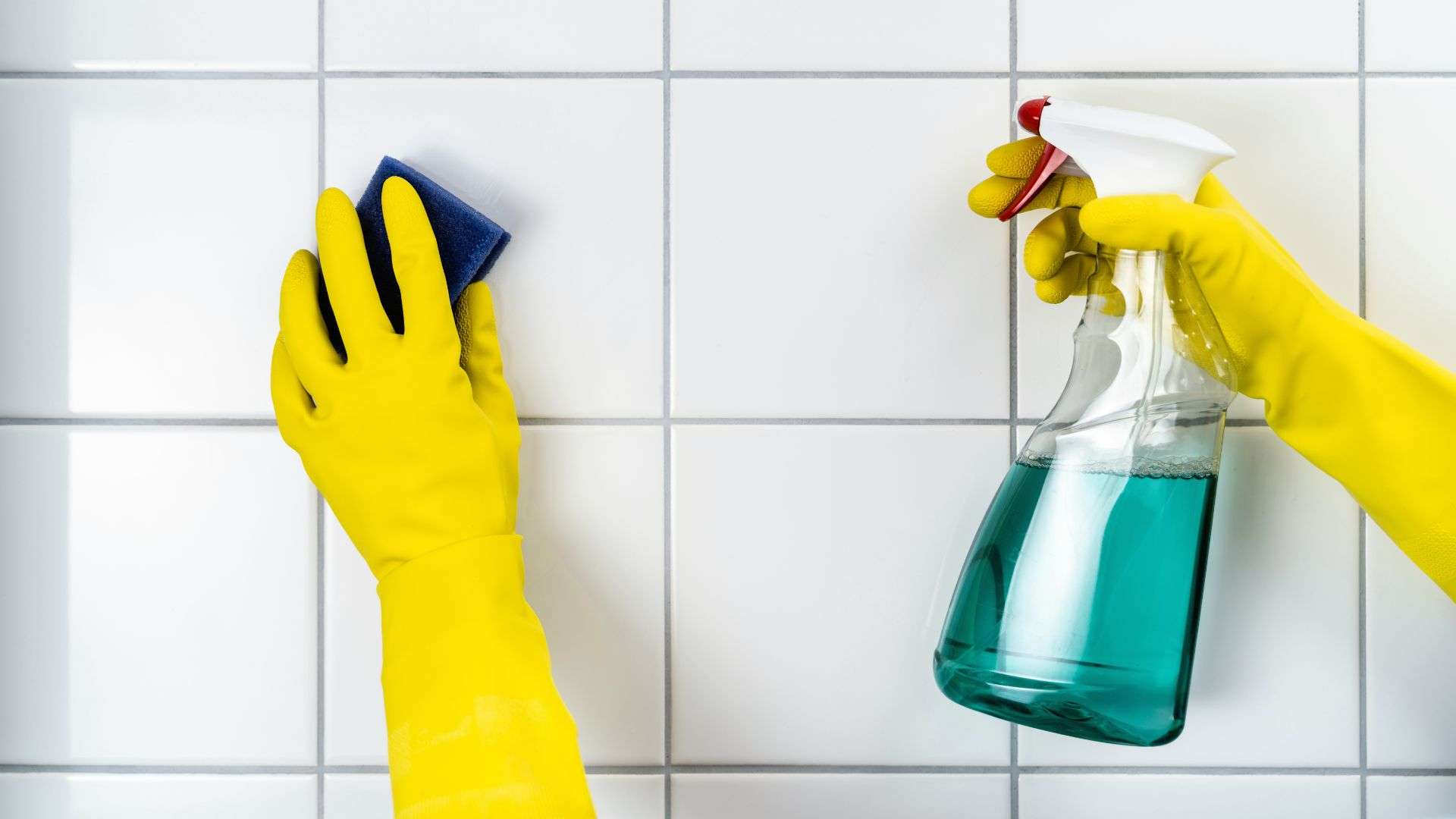
Proper aftercare is key to keeping your tiles, grout, and silicone sealant looking fresh and mould-free. Many homeowners unknowingly damage these surfaces by using harsh cleaners like bleach and abrasive scrubbers. This guide will show you how to clean effectively without causing wear and tear.
1. Why Harsh Cleaners Damage Tiles, Grout, and Silicone
- Bleach weakens silicone seals, causing them to break down and peel.
- Abrasive scrubbers scratch tiles and wear away grout over time.
- Strong chemical cleaners degrade grout, making it brittle and prone to cracking.
Instead, use gentle, tile-safe cleaners that clean effectively without damaging your surfaces.
2. The Best Way to Clean Silicone Sealant
Silicone is essential for waterproofing areas like bathrooms and kitchens, but it can develop mould and discoloration if not maintained properly.
How to Clean Silicone Without Damage:
- Use a mild, pH-neutral cleaner or diluted white vinegar (1:4 with water).
- Soft cloth or sponge only—never use rough scrubbers.
- Dry after cleaning to prevent moisture buildup.
- Prevent mould by ensuring good ventilation and wiping down wet areas.
If silicone is badly stained or damaged, it may need removal and resealing.
3. How to Keep Grout Clean and Mould-Free
Grout absorbs moisture easily, making it a breeding ground for mould and dirt buildup.
Gentle Grout Cleaning Routine:
- Weekly: Wipe down with warm water and a soft brush.
- Monthly: Deep clean with a mix of baking soda and water (apply, let sit for 10 mins, and rinse).
- Avoid bleach, as it erodes grout over time.
- Seal grout every 6-12 months to protect it from stains and moisture.
If grout becomes cracked or crumbling, regrouting is the best solution.
4. How to Keep Tiles Looking Like New
Tiles are durable, but using the wrong products can dull their finish or cause staining.
The Right Tile Cleaning Method:
- Sweep or vacuum first to remove dust.
- Mop with warm water and a tile-safe cleaner (pH-neutral).
- For limescale, use diluted white vinegar, but never on natural stone tiles (use a stone-safe cleaner instead).
- Dry tiles after cleaning to prevent streaks and water spots.
5. Preventing Mould Growth in Bathrooms and Kitchens
To keep mould at bay, focus on prevention rather than heavy-duty cleaning later.
- Ventilate the room – Open windows or use an extractor fan.
- Wipe down wet areas after showers or cooking.
- Use a squeegee to remove water from shower screens and tiles.
- Keep silicone and grout dry by sealing gaps and fixing leaks quickly.
Using the right cleaning techniques extends the life of your tiles, grout, and silicone, keeping everything spick and span without damage.
Conclusion: Keep Your Tiles, Grout, and Silicone Looking Perfect
By using the right cleaning techniques and avoiding harsh chemicals, you can extend the life of your tiles, grout, and silicone while keeping them spotless and mould-free. Regular maintenance, proper ventilation, and gentle, tile-safe cleaners are key to preserving the beauty and durability of your tiled surfaces.
If your tiles, grout, or silicone need professional cleaning, repair, or regrouting, Flex Tiling is here to help. As expert tilers in Bristol, we provide high-quality tiling services, grout repair, and silicone resealing to keep your space looking its best.
FAQs
Can you clean silicone and grout in the same way?
Silicone and grout are different materials, but both require gentle cleaning to avoid damage. Referring to silicone sealant around tiles, follow these steps:
- Use a mild pH-neutral cleaner or diluted white vinegar (1:4 with water).
- Gently scrub with a soft cloth or sponge—avoid abrasive scrubbers.
- Rinse with warm water and dry thoroughly to prevent mould growth.
- Ensure good ventilation in bathrooms and kitchens to stop moisture buildup.
If silicone is deeply stained or peeling, it may need to be removed and resealed.
How do you clean grout without damaging it?
Grout is porous and can be easily damaged by harsh cleaners. To clean grout safely:
- Daily: Wipe down with a damp cloth to prevent buildup.
- Weekly: Use warm water and a soft brush for light scrubbing.
- Monthly: Apply a paste of baking soda and water, let it sit for 10 minutes, then rinse.
- Avoid bleach, as it weakens and erodes grout over time.
- Seal grout every 6-12 months to keep it protected from moisture and stains.
If grout is cracking or crumbling, there may be an underlying issue with the substrate. Regrouting is rarely the best solution.
What do professionals use to clean tile and grout?
Professional tilers and cleaners use high-quality products and tools for deep cleaning, including:
- pH-neutral tile and grout cleaners – Safe for all surfaces and won’t erode grout.
- Steam cleaners – Specialist steam cleaners can effectively lift dirt and grime without harsh chemicals. This should be a last resort and should only be carried out by professionals.
- Oxygenated bleach (sparingly used) – Helps remove deep stains without the harsh effects of chlorine bleach. Should be avoided except in circumstances where all other options have been exhausted.
- Grout sealers – Protect grout from future staining and moisture absorption.