
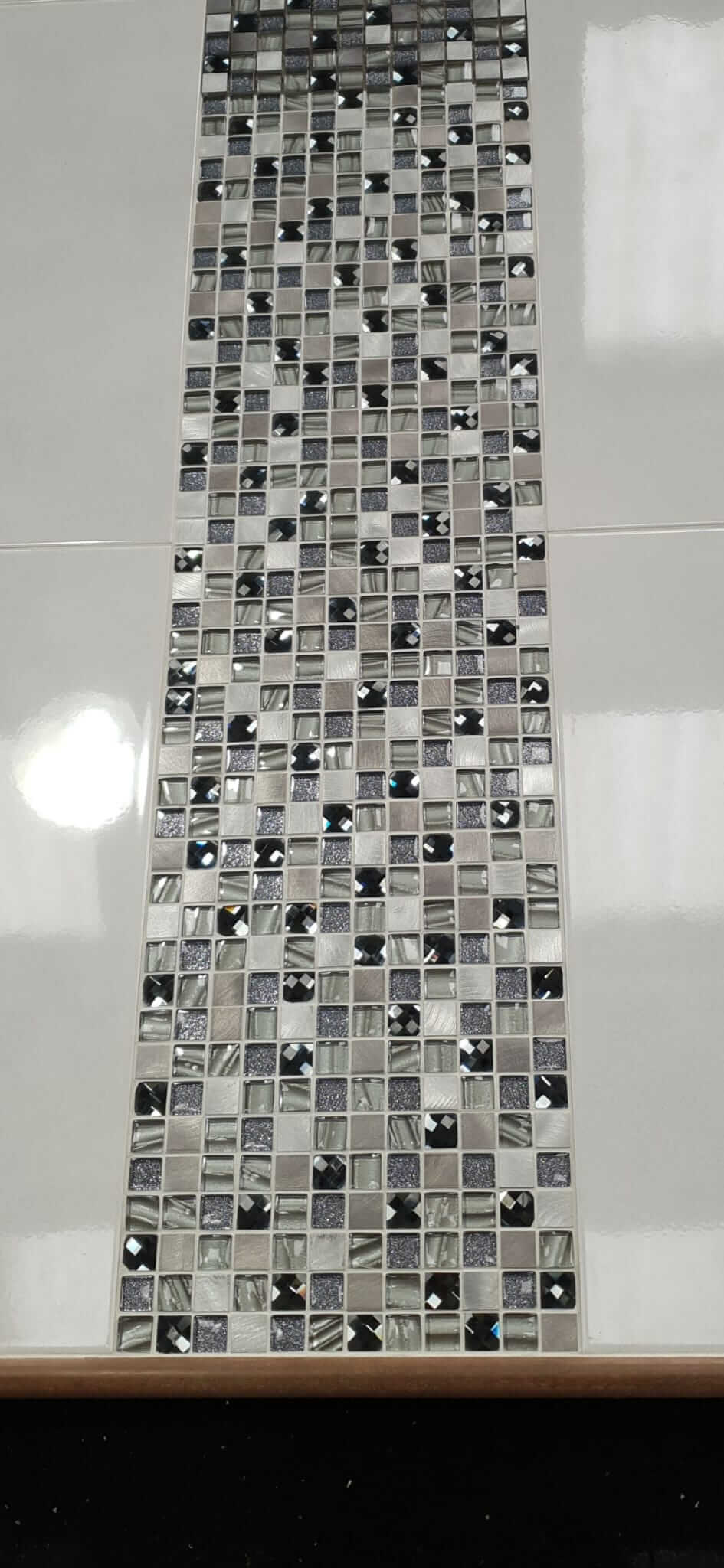
Mosaic tiles are a popular choice for many homeowners and interior designers due to their aesthetic appeal and versatility. However, when it comes to areas with high moisture levels, such as bathrooms, kitchens, and wet rooms, mosaic tiles may not always be the most practical option. While they undoubtedly add a touch of elegance and creativity to a space, there are several factors that make them less suitable for moisture-rich environments. Below, we explore the key reasons why mosaic tiles might not be the best option for areas exposed to high humidity and water.
1. Grout Lines – A Breeding Ground for Mould and Mildew
One of the main concerns with mosaic tiles in wet areas is the large number of grout lines they require. Since mosaic tiles are generally small, they require more grout to hold them together, resulting in an increased number of grout lines. These grout lines can easily absorb moisture, leading to the growth of mould and mildew.
Mould and mildew not only create an unsightly appearance but can also pose serious health risks. They can trigger allergies, respiratory problems, and unpleasant odours. Despite the availability of mould-resistant grout options, no grout is completely immune to moisture damage over time. This means frequent maintenance and cleaning are required to prevent deterioration.
For a more moisture-resistant alternative, porcelain tiles or ceramic tiles with minimal grout lines can be a more durable option.
2. Slippery When Wet – A Safety Hazard
Another major drawback of using mosaic tiles in moisture-rich areas is their slippery nature. According to UK safety regulations, such as those outlined in BS EN 13845 for slip-resistant flooring, tiles in wet environments should meet certain slip resistance standards to reduce the risk of accidents. When water or humidity accumulates on the surface of these tiles, they can become dangerously slick. This is particularly concerning in bathrooms, shower areas, and kitchens, where slips and falls can lead to serious injuries. When water or humidity accumulates on the surface of these tiles, they can become dangerously slick. This is particularly concerning in bathrooms, shower areas, and kitchens, where slips and falls can lead to serious injuries.
Although anti-slip coatings and textured mosaic tiles are available, they may not provide the same level of slip resistance as other flooring options specifically designed for wet environments. If you have young children, elderly family members, or individuals with mobility issues in your home, safety should be a top priority when selecting flooring materials. Non-slip floor tiles are a much safer alternative for wet areas.
3. High Maintenance Requirements
Maintaining mosaic tiles in areas exposed to moisture can be a demanding task. The constant exposure to water can lead to grout deterioration, causing cracks and gaps that allow moisture to seep through. Over time, this can lead to structural damage beneath the tiles, requiring costly repairs and re-grouting.
Additionally, keeping the grout lines clean in a humid environment demands regular scrubbing and the use of specialised cleaning products to prevent discolouration and mould growth. This level of upkeep can be time-consuming and inconvenient, making mosaic tiles less practical for those seeking a low-maintenance solution. For easy-care tiling solutions, Flex Tiling offers expert guidance on selecting tiles that require minimal upkeep.
4. Water Absorption and Durability Issues
Certain types of mosaic tiles, such as ceramic and natural stone, have varying degrees of water absorption. Some porous materials can absorb water, leading to stains, weakening of the tiles, and even breakage over time. Although porcelain tiles have a lower water absorption rate, they still require proper sealing and maintenance to prevent water-related issues.
In contrast, large-format tiles with minimal grout lines or non-porous materials like vinyl and composite stone can provide better durability in moisture-heavy environments. These alternatives are specifically designed to withstand prolonged exposure to water without compromising their integrity.
5. Cost Considerations
The cost of installing mosaic tiles can be significantly higher than other tiling options, especially when factoring in the additional expenses of labour, grout, and sealants. Since mosaic tiles require more precision and time to install, professional tiling services can be costly.
Furthermore, the ongoing maintenance required to keep mosaic tiles in good condition can add to the overall expense. If moisture-related issues arise, repairs or replacements may become necessary, further increasing costs. Homeowners looking for a budget-friendly yet durable solution may find that alternative waterproof tiles offer better value for money in the long run.
Alternatives to Mosaic Tiles for Moisture-Prone Areas
If you’re looking for a practical and stylish alternative to mosaic tiles in wet areas, consider the following options:
- Porcelain Tiles – These are highly resistant to moisture, easy to clean, and available in various designs that mimic the look of natural stone or wood.
- Vinyl Flooring – Waterproof vinyl tiles or planks provide a cost-effective and low-maintenance alternative with excellent slip resistance.
- Large-Format Tiles – With fewer grout lines, these tiles minimise moisture absorption and reduce the risk of mould growth.
- Natural Stone with Proper Sealing – If you prefer a natural stone look, opt for well-sealed stone tiles to prevent water penetration.
Conclusion
While mosaic tiles are undeniably beautiful and can create intricate, eye-catching designs, they may not be the best choice for areas with high moisture levels. The extensive grout lines, slippery surfaces, high maintenance requirements, and potential durability issues make them less suitable for wet environments. Instead, opting for moisture-resistant alternatives such as porcelain, vinyl, or large-format tiles can ensure both safety and longevity while still achieving an aesthetically pleasing look.
If you’re planning a tiling project and need expert advice on selecting the right materials, Flex Tiling in Bristol can help. Our team of professional tilers specialises in bathroom tiling, kitchen tiling, and floor tiling, offering high-quality solutions that combine style with practicality. Contact us today to transform your space with the perfect tiling choice!
FAQs
Why are mosaic tiles not ideal for wet areas like bathrooms and kitchens?
Mosaic tiles may not be the best choice for wet areas due to their numerous grout lines, which can absorb moisture and promote mould and mildew growth. Additionally, they can become slippery when wet, posing safety risks, and require more maintenance compared to other flooring options.
How do grout lines affect the durability of mosaic tiles in humid environments?
Mosaic tiles have a large number of grout lines, which can absorb moisture and become a breeding ground for mould and mildew. Over time, grout deterioration can lead to water seepage beneath the tiles, causing potential structural damage and requiring costly repairs.
Are mosaic tiles slippery when wet?
Yes, mosaic tiles can become dangerously slippery when wet, especially in areas like bathrooms, kitchens, and shower rooms. Although anti-slip coatings are available, they may not provide the same level of safety as other non-slip flooring materials designed for wet environments.