
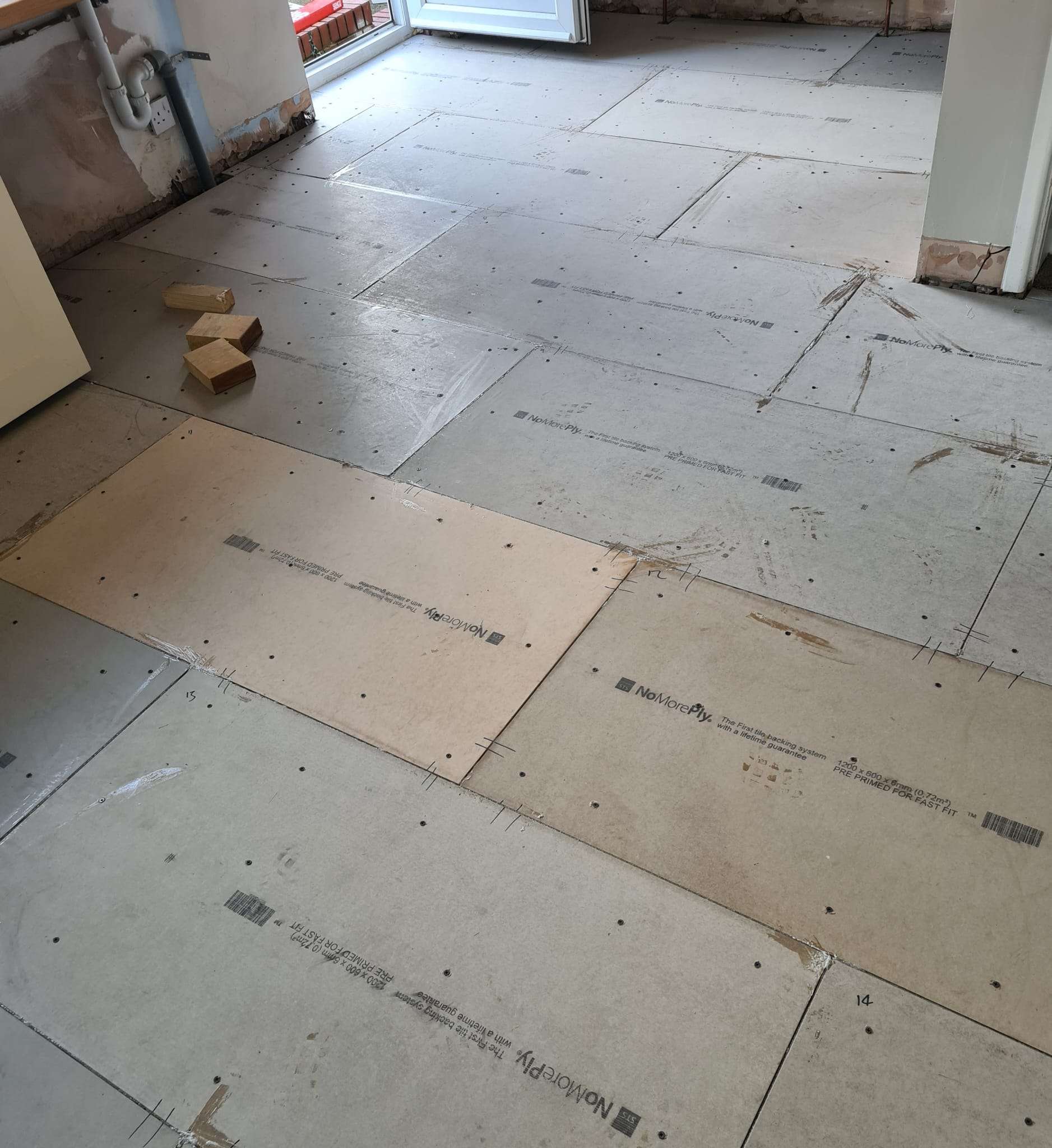
When it comes to professional tiling, using the right materials is crucial. No More Ply backer board is a game-changer, ensuring durability, moisture resistance, and a strong foundation for tiles. Whether you’re tiling a bathroom, kitchen, or wet room, this backer board provides superior strength and longevity.
Why Choose No More Ply Backer Board?
1. Waterproof & Moisture-Resistant
No More Ply is designed to withstand high humidity and moisture, making it the perfect choice for bathrooms and kitchens. Unlike traditional plywood, it won’t swell or rot over time.
2. Exceptional Tile Adhesion
The cement-based composition ensures that tiles bond securely, preventing cracks and detachment. This means your tiling project will remain intact for years to come.
3. Lightweight & Easy to Install
Despite its strength, No More Ply is lightweight and simple to cut, reducing installation time. It can be installed with minimal tools, making it a top choice for both DIY enthusiasts and professional tilers in Bristol.
4. Reduces Expansion & Contraction Issues
Unlike wooden substrates that expand and contract with temperature changes, No More Ply provides a stable base, preventing tile movement and potential cracking.
5. Fire & Impact Resistant
For added safety, this backer board is fire-resistant and highly durable, making it ideal for both residential and commercial projects.
How to Install No More Ply Backer Board
- Prepare the Surface – Ensure the subfloor or wall is clean and dry.
- Cut the Boards to Size – Use a score-and-snap method or a saw for precise cuts.
- Fix the Boards in Place – Secure using screws and adhesive.
- Seal the Joints – Apply waterproof joint sealant for extra protection.
- Tile Over the Board – Use a high-quality tile adhesive for a strong bond.
Why Professional Tilers in Bristol Trust No More Ply
At Flex Tiling, we use No More Ply for its unmatched durability and ease of installation. Our expert tilers ensure a flawless finish, whether you’re upgrading your bathroom, kitchen, or any other tiled space.
Get a Free Tiling Quote Today!
If you’re looking for a reliable tiler in Bristol, contact Flex Tiling for expert advice and professional installation. Contact us or request aquote today!

Why Tiling Directly onto Floorboards Is Not Recommended
Uneven Surface: Floorboards often have irregular surfaces due to variations in height and warping over time, making them unsuitable for direct tiling. Tiling on an uneven surface can lead to an unstable and unattractive tile installation, risking tile breakage and detachment.
Insufficient Support: Floorboards may not provide enough support for tiles, especially in high-traffic areas or with heavy tiles. This lack of support can cause tiles to sink or crack over time, compromising the integrity of the floor.
Moisture Absorption: Wood is porous, and floorboards can absorb moisture from spills, leaks, or high humidity. This can lead to tile damage, mould growth, and long-term structural issues if moisture seeps beneath the tiles.
Flexibility: Wood floorboards can flex and move with changes in temperature and humidity. This movement can cause tiles to crack or detach over time, leading to an uneven and unsafe floor.
Expansion and Contraction: Tiles and wood have different rates of expansion and contraction due to temperature changes. This difference can create stress on the tile joints, causing them to crack or separate.

Why Tiling Directly onto Plywood Board Is Not Recommended
Lack of Water Resistance: Plywood is susceptible to water damage and can swell or warp when exposed to moisture. Tiling directly onto plywood without proper waterproofing can lead to tile failure and an unstable substrate.
Limited Durability: Plywood is not as durable as cement-based backer boards. Over time, the movement of the plywood due to temperature and humidity changes can cause tiles to crack or become loose.
Insufficient Tile Adhesion: Plywood surfaces may not provide a strong enough bond for tiles, leading to tile detachment or uneven tile installation.
Risk of Mould Growth: If moisture penetrates the plywood, it can create an environment for mould and mildew growth, compromising the integrity of the tile installation and posing health risks.
Flexibility Issues: Plywood can flex and bend under pressure, which can cause the tiles to crack or the grout to fail.
Next: Can I tile over PlyWood?
The Solution: Using Proper Backer Boards or Underlayment
To ensure a successful and long-lasting tile installation and to ensure it meets BS 5385-1:2018, it is crucial to use appropriate backer boards or underlayment. Consulting a professional tiler is highly recommended to assess the specific requirements of your tiling project and provide expert guidance on selecting the right backer board or underlayment for your needs.
By engaging a professional tiler, you can benefit from their experience and expertise in preparing surfaces for tiling, ensuring that your installation is not only visually appealing but also structurally sound. They can help you address any issues related to uneven surfaces, moisture absorption, and flexibility, which are common concerns when tiling over plywood or floorboards.
Flex Tiling, in conjunction with NO MORE PLY backer boards, can be an excellent solution for your tiling needs. Flex Tiling uses high-quality adhesives that offer flexibility to accommodate natural movement in the substrate without compromising the integrity of the tiles. This approach helps prevent tiles from cracking or becoming loose over time, providing added durability to your tiled surface.
Preparation is key to any successful tiling project. Before installing backer boards or underlayment, ensure that the plywood or floorboards are clean, dry, and free from any debris. Make any necessary repairs or adjustments to create a level and stable surface. Following these preparation steps, along with the guidance of a professional tiler, will set the stage for flawless tile installations that stand the test of time.
Remember, when it comes to tiling, investing in proper preparation and seeking expert advice from a professional tiler will ultimately save you time, effort, and potential headaches down the road. So, don’t hesitate to contact a professional tiler and explore the benefits of Flex Tiling and NO MORE PLY backer boards for your next tiling project.
FAQs
Do I need plywood behind cement board?
No, No More Ply backer board is designed to be a direct replacement for plywood, offering better moisture resistance and stability.
Are No More Ply boards waterproof?
Yes, they are moisture-resistant, making them ideal for bathrooms, kitchens, and wet areas. However, sealing joints with waterproof adhesive is recommended.
What thickness is No More Ply?
No More Ply boards come in various thicknesses, including 6mm and 12mm, depending on the application.
Can you use a 6mm backer board on a floor?
Yes, 6mm No More Ply is suitable for flooring when properly installed with adhesive and screws, but 12mm may be preferred for added strength.
What do you put on plywood before tiling?
A suitable tile backer board like No More Ply should be installed over plywood, or an SBR primer and decoupling membrane can be used to improve stability.
What is the best adhesive for No More Ply?
A flexible, cement-based tile adhesive is recommended to ensure a strong bond and prevent tile movement or cracking.
Can No More Ply be used on walls and floors?
Yes, No More Ply is suitable for both wall and floor tiling, providing a strong and stable surface for long-lasting results.
How do you fix No More Ply boards in place?
No More Ply boards should be secured using a combination of adhesive and screws to create a solid, movement-free surface.
Is No More Ply fire-resistant?
Yes, No More Ply offers excellent fire resistance, making it a safe choice for both residential and commercial projects.
Can you tile directly onto No More Ply?
Yes, tiles can be applied directly onto No More Ply using a flexible, cement-based adhesive for a secure and durable bond.