
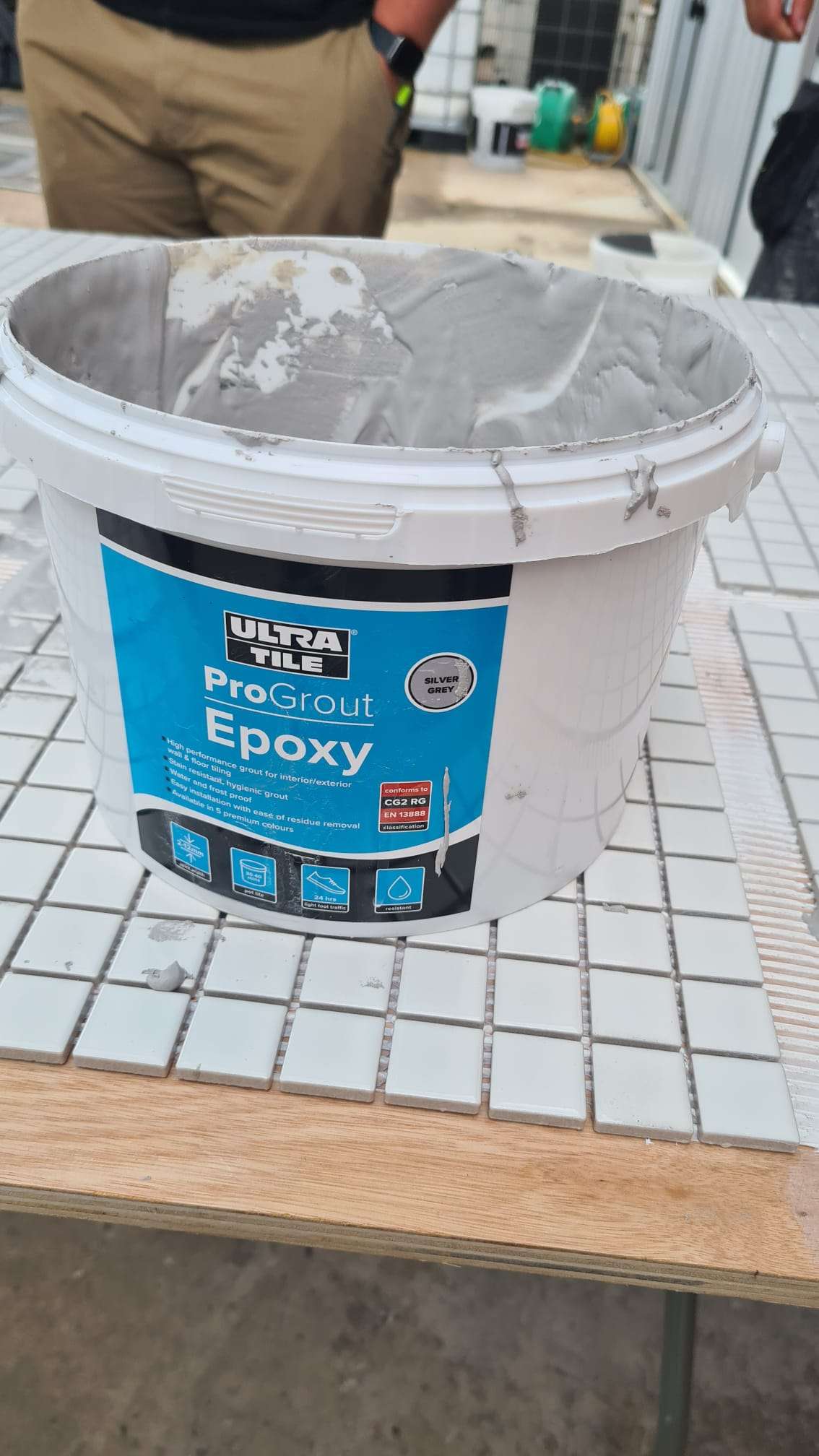
Choosing the right tile adhesive is crucial for a long-lasting, professional finish. The wrong adhesive can lead to tile movement, cracks, and costly repairs. Whether you’re tiling a bathroom, kitchen, or outdoor area, selecting the correct product ensures a strong bond and durability—especially in areas exposed to moisture, heat, or heavy foot traffic.
Cement-Based Tile Adhesives (S1 vs. S2)
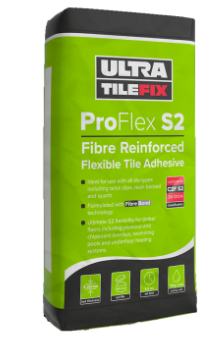
Cementitious adhesives are the most commonly used for porcelain, ceramic, and natural stone tiles. They are classified under EN 12004 and graded as S1 or S2, based on their flexibility and ability to accommodate movement.
| Type | Flexibility | Best For | Advantages |
|---|---|---|---|
| S1 Tile Adhesive (Deformable) | Absorbs up to 2.5mm of movement | Underfloor heating, outdoor tiling, large-format tiles | Handles slight surface movement, suitable for general use |
| S2 Tile Adhesive (Highly Deformable) | Absorbs up to 5mm of movement | Wooden floors, unstable substrates, high-vibration areas | Maximum flexibility, ideal for challenging surfaces |
Other Types of Tile Adhesives
In some cases, alternative adhesives are required—especially in wet areas, commercial kitchens, or high-impact zones.
| Adhesive Type | Key Features | Best Uses |
|---|---|---|
| Epoxy Tile Adhesive | Waterproof, highly durable, chemical-resistant | Swimming pools, industrial areas, commercial kitchens |
| Acrylic Tile Adhesive | Ready-mixed, easy to apply | Light-duty wall tiling in bathrooms and kitchens |
| Polymer-Modified Tile Adhesive | Hybrid cement and polymer formula for flexibility | Porcelain, ceramic, and natural stone tiles |
| Urethane Tile Adhesive | Moisture and chemical resistant, flexible | Moisture-sensitive tiles, specialty installations |
Gel-Based Tile Adhesives: A New Alternative
Gel-based tile adhesives are gaining popularity for their ease of application and superior performance on vertical surfaces.
| Benefit | Why It Matters |
|---|---|
| Perfect for walls | Prevents tile slippage during installation |
| Reduces sagging | Ideal for large-format and heavy tiles |
| Extended working time | Allows for precise tile placement |
| Minimal mess | Smoother consistency, less waste |
Common Adhesive Mistakes and How to Avoid Them
| Mistake | Consequence | Solution |
|---|---|---|
| Using the wrong adhesive | Tiles may crack or detach | Always check the tile and surface type before choosing an adhesive |
| Not using flexible adhesive where needed | Cracking due to movement | Use S1 or S2 adhesive for floors with movement |
| Applying too much or too little adhesive | Poor bond strength | Follow manufacturer guidelines for coverage |
| Skipping primer on absorbent surfaces | Weak adhesion | Use a primer on porous surfaces before applying adhesive |
Choosing the Right Tile Adhesive: Final Tips
When selecting a tile adhesive, consider the following:
- Tile Type – Porcelain, ceramic, or natural stone
- Surface – Cement board, screed, plywood, or drywall
- Location – Indoor, outdoor, wet or dry areas
- Expected Movement – Will the surface expand or contract?
Following British Standards (BS EN 12004) and manufacturer guidelines will ensure a strong, long-lasting tile installation.
Get Expert Advice & Professional Installation
If you’re unsure whether to use S1 or S2 tile adhesive, or if you need a high-performance option for a specialist project, consult a professional tiler. At Flex Tiling, we provide expert guidance and top-quality installation services to guarantee lasting results.
Understanding the different types of tile adhesives helps ensure a strong, durable tiling job. Whether you’re choosing between S1 or S2 tile adhesive, working with epoxy adhesives, or exploring the benefits of gel-based adhesives, selecting the right product will guarantee the best results.
For professional tiling solutions, always use high-quality adhesives and follow proper installation practices to avoid common issues like tile movement, cracking, or poor adhesion.
Contact us today for a consultation and get your tiling job done right the first time.