
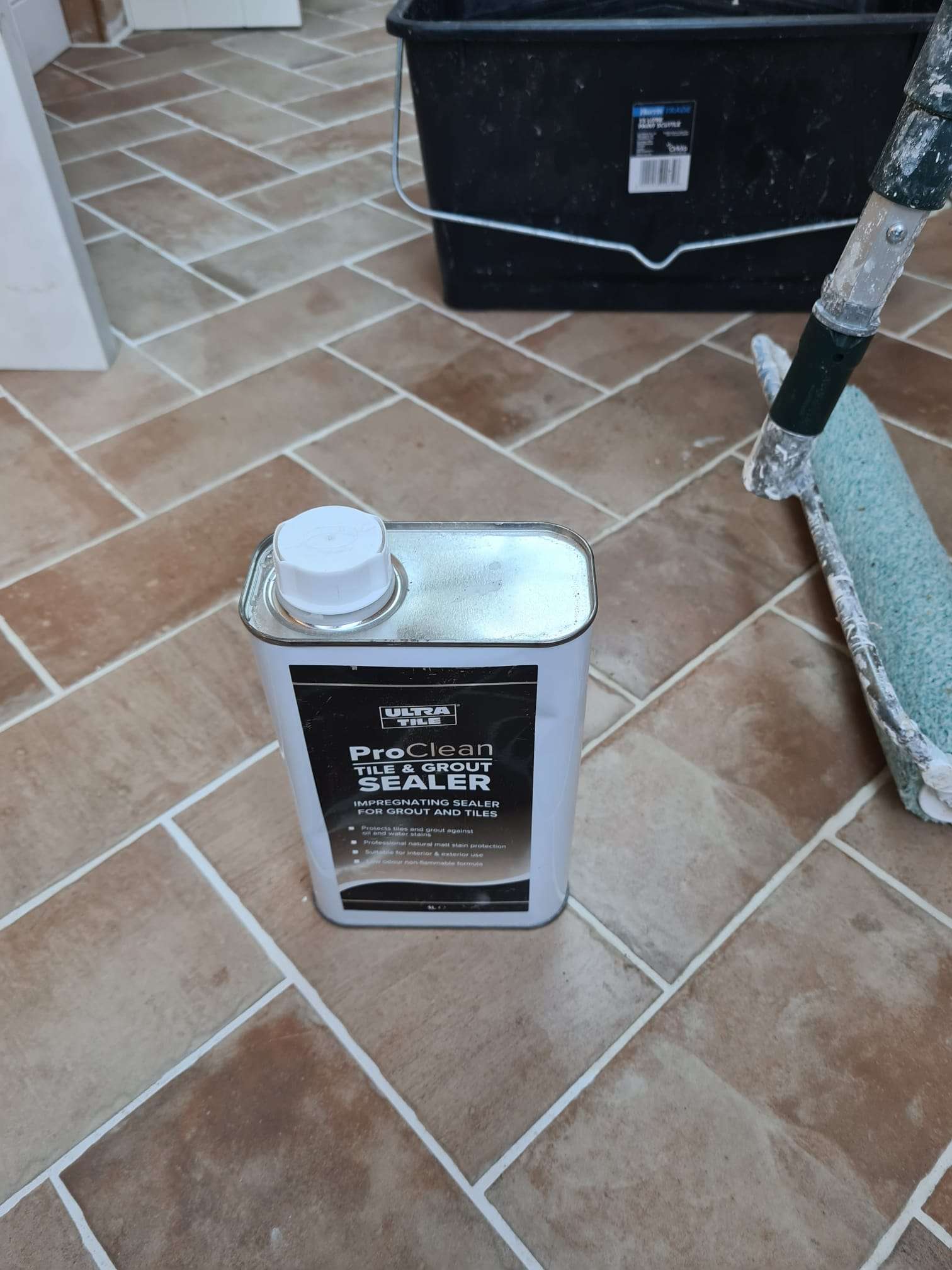
Sealing your floor tiles is an essential step in protecting them from stains, moisture, and general wear and tear. But do all tiles need sealing? And how can sealing improve the longevity and appearance of your tiled surfaces?
At Flex Tiling, we specialise in high-quality tile installations, and we know that proper sealing can make a world of difference in keeping your tiles looking great for years.
Do Floor Tiles Need Sealing?
The answer depends on the type of tile and its location. Some tiles, like porcelain and glazed ceramics, are naturally resistant to moisture and stains, while others, such as natural stone, are highly porous and require sealing to prevent damage.
Tiles That Typically Don’t Require Sealing
- Porcelain Tiles – Dense and non-porous, porcelain tiles don’t usually need sealing. However, some polished porcelain tiles may benefit from a light seal to enhance stain resistance.
- Glazed Ceramic Tiles – These come with a protective coating, making them resistant to water and stains. However, the grout lines still need sealing to prevent dirt build-up and discolouration.
Tiles That Must Be Sealed
- Natural Stone Tiles – Materials like marble, granite, travertine, and slate are porous and will absorb liquids if left unsealed. This can lead to stains, water damage, and dull-looking tiles over time.
- Terracotta Tiles – These absorb moisture easily, so sealing is essential for protecting against stains and wear.
- Unpolished & Textured Tiles – Some rough-textured tiles, including certain limestone and quarry tiles, benefit from sealing to make cleaning easier and prevent dirt from getting trapped in the surface.
The Benefits of Sealing Floor Tiles & Grout
Even if your tiles don’t need sealing, the grout lines always should be sealed. Grout is naturally porous and absorbs dirt, moisture, and spills, leading to discolouration and mould growth.
Here’s why sealing is a smart investment:
- Prevents staining, especially in kitchens and bathrooms where spills and moisture are common.
- Enhances appearance by bringing out the natural beauty of stone tiles and keeping them looking fresh.
- Waterproof protection helps prevent moisture penetration, reducing the risk of mould and mildew.
- Easier cleaning and maintenance, as sealed tiles and grout are easier to wipe clean and require less scrubbing.
- Extends lifespan by protecting tiles from wear and damage, keeping them looking new for longer.
How Often Should You Seal Floor Tiles?
The frequency of sealing depends on the tile type, location, and level of foot traffic.
- Natural stone tiles typically need resealing every one to three years, depending on use.
- Grout lines should be resealed every one to two years, especially in wet areas.
- Polished porcelain, if sealed, may need a light reseal every three to five years.
If you’re unsure whether your tiles need resealing, try this quick test: Drop a few water droplets onto the surface. If they soak in quickly, it’s time to reseal.
Choosing the Right Tile Sealant
Using the correct sealant is key to getting the best protection. There are three main types:
- Penetrating Sealers – Soak into the tile and grout to provide deep protection without changing the tile’s appearance. Ideal for natural stone and unglazed tiles.
- Surface Sealers (Topical Coatings) – Create a protective layer on top of the tile. Best for terracotta, slate, and quarry tiles.
- Enhancing Sealers – Not only protect but also deepen and enrich the natural colour of stone tiles.
At Flex Tiling, we only use high-quality, professional-grade sealants tailored to your specific tiles and environment.
Need Expert Tiling & Sealing? Let’s Talk!
Sealing your floor tiles is a small step that makes a big difference in durability, maintenance, and overall appearance. Whether you’re tiling a kitchen, bathroom, or entire floor, ensuring proper sealing will help keep your surfaces looking their best for years to come.
If you’re unsure whether your tiles need sealing or need professional tiling services, contact Flex Tiling today. We provide expert advice, high-quality tile installation, and sealing solutions to keep your home looking stunning.
FAQs
Do all floor tiles need sealing?
No, not all tiles need sealing. Porcelain and glazed ceramic tiles are non-porous and usually do not require sealing, but natural stone tiles like marble, travertine, and slate do.
How often should I reseal my tiles?
Natural stone tiles should be resealed every one to three years, depending on foot traffic and exposure to moisture. Grout should be sealed every one to two years.
How do I know if my tiles need sealing?
A simple water test can help—pour a few drops of water on the tile. If it soaks in, the tile needs sealing. If it beads on the surface, sealing is not required.
What happens if I don’t seal my tiles?
Unsealed porous tiles can absorb moisture, leading to stains, discolouration, mould growth, and long-term damage.
Is sealing tiles a one-time job?
No, different tiles require specific sealants. For example, natural stone needs a penetrating sealant, while grout sealants are different from tile sealants.
How long does tile sealant last?
The durability of sealant depends on the type and usage. Some high-quality sealants last up to five years, but high-traffic areas may require more frequent reapplication.
Can you remove individual floor tiles?
No, tiles need periodic resealing to maintain their protection. The frequency depends on tile material, foot traffic, and exposure to moisture.
How do I apply a sealant to floor tiles?
Clean the tiles thoroughly, ensure they are dry, then apply the sealant with a sponge or applicator. Let it absorb, wipe off excess, and allow it to cure as per the manufacturer’s instructions.
Can I seal tiles myself, or do I need a professional?
You can seal tiles yourself, but for large areas, high-end stone, or specialist finishes, a professional may achieve better, longer-lasting results.
Does sealing tiles change their appearance?
Some sealants enhance the tile’s natural colour and give a slight sheen, while others are invisible. Always test a small area first.