
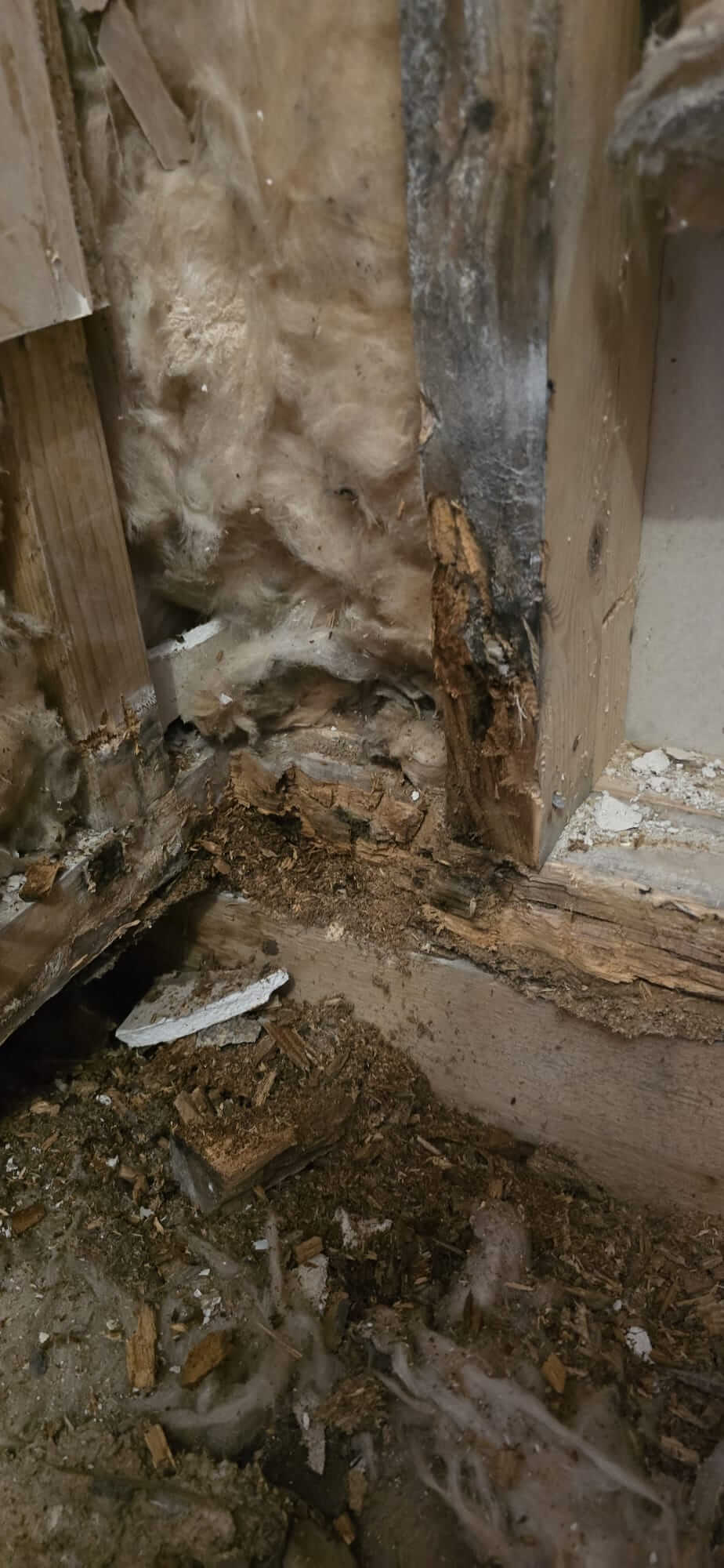
Water-damaged wood is a common issue that must be addressed before installing tiles. Failing to properly treat or replace damaged wood can lead to structural instability, moisture retention, and even health hazards such as mould and mildew. Before embarking on a tiling project, it’s essential to understand the implications of water damage and the necessary steps to rectify the problem. In this article, we will explore the causes of water damage, the risks of tiling over affected wood, and effective solutions to ensure a durable and long-lasting tile installation.
Causes of Water Damage in Wood
Wood is highly susceptible to water damage due to its porous nature. Several factors contribute to moisture infiltration and eventual deterioration of wooden surfaces:
1. Plumbing Leaks
Undetected leaks from pipes running beneath flooring or behind walls can lead to gradual moisture accumulation. Over time, persistent exposure to water weakens the wood, making it unsuitable for supporting tiles.
2. Flooding and Water Spills
Flooding from natural disasters, burst pipes, or even household mishaps like an overflowing bathtub can significantly damage wooden structures. If not dried properly, wood will absorb water, leading to warping, swelling, and decay.
3. High Humidity and Condensation
In areas with poor ventilation, such as bathrooms and kitchens, high humidity levels can cause wood to retain moisture. Condensation from hot showers or cooking can gradually weaken wooden subfloors, making them prone to damage.
4. Poor Waterproofing
Lack of adequate waterproofing in wet areas like bathrooms and laundry rooms can result in water seeping into wooden substrates. Over time, this leads to rotting and structural weakening, which is detrimental to a tiling project.
Why You Shouldn’t Tile Over Water-Damaged Wood
Many homeowners and DIY enthusiasts may be tempted to install tiles over existing wooden subfloors without addressing underlying water damage. However, doing so poses several risks:
1. Structural Instability
Wood that has been weakened by water damage loses its strength and stability. This can result in uneven surfaces, leading to cracked or loose tiles over time. The weight of the tiles may be too much for the compromised wood to support, causing further deterioration.
2. Mould and Mildew Growth
Moist environments encourage the growth of mould and mildew, which can pose serious health risks. Mould spores can trigger allergies, respiratory issues, and other health complications. Even if tiles are installed over damaged wood, hidden moisture can continue to fuel fungal growth beneath the surface.
3. Ongoing Moisture Issues
If water damage is not addressed before tiling, moisture may remain trapped beneath the tiles. Over time, this can lead to further deterioration, causing grout lines to crack and tiles to loosen. Additionally, continuous exposure to moisture can accelerate wood decay, necessitating costly repairs in the future.
4. Reduced Tile Adhesion
Proper adhesion is crucial for a successful tiling project. Water-damaged wood may not provide a strong, stable surface for tile adhesive to bond properly. As a result, tiles may shift, lift, or become loose over time, leading to an uneven and unattractive finish.
How to Fix Water-Damaged Wood Before Tiling
To ensure a durable and long-lasting tile installation, it’s imperative to properly treat or replace any water-damaged wood before proceeding. Here’s a step-by-step guide on how to address this issue effectively:
1. Assess the Extent of the Damage
Start by thoroughly inspecting the affected area to determine the severity of the water damage. Look for visible signs such as warping, soft spots, discolouration, or a musty odour. Use a moisture metre to check if there is still trapped moisture within the wood.
2. Remove the Damaged Sections
If the wood is severely damaged, it’s best to remove and replace the affected sections. Use a saw to cut out the compromised wood and dispose of it properly. Ensure that you extend the removal area slightly beyond the visibly damaged portion to prevent future problems.
3. Dry Out Any Remaining Moisture
Before replacing the wood, it’s essential to completely dry out the area. Use dehumidifiers, fans, or heaters to speed up the drying process. If possible, allow natural ventilation by opening windows and doors.
4. Treat the Wood to Prevent Future Issues
If the damage is minimal and replacement is not necessary, treating the wood with a protective sealant is recommended. Apply a wood hardener to reinforce weakened sections and use a mould-resistant primer to prevent fungal growth.
5. Install a Moisture-Resistant Subfloor
For areas prone to moisture exposure, consider installing a moisture-resistant subfloor before tiling. Cement backer boards or waterproof plywood provide a sturdy and durable surface for tile installation while minimising future moisture-related problems.
6. Use a Waterproof Membrane
Applying a waterproof membrane over the wooden subfloor adds an extra layer of protection. This barrier prevents water from seeping into the wood, reducing the risk of damage and mould growth.
7. Proceed with Tiling
Once the subfloor is secure, dry, and properly treated, you can proceed with tiling. Use high-quality tile adhesive and grout designed for moisture-prone environments to ensure a long-lasting finish.
Final Thoughts: Ensuring a Successful Tiling Project
Addressing water-damaged wood before tiling is crucial for the longevity and stability of your flooring. Ignoring the issue can lead to costly repairs, health hazards, and an unsatisfactory finish. By identifying the root cause of water damage, replacing or treating the affected wood, and using moisture-resistant materials, you can achieve a durable and visually appealing tiled surface.
If you’re looking for expert tiling services in Bristol, Flex Tiling is here to help. We specialise in high-quality floor tiling, bathroom tiling, and kitchen tiling, ensuring a professional finish that lasts. Contact us today and let us transform your space with precision and expertise.
FAQs
Can wood recover from water damage?
Yes, wood can sometimes recover from water damage, but it depends on the extent of the damage. If the wood is only slightly damp and not warped or rotten, it can be dried out using fans, dehumidifiers, or natural ventilation. However, if the wood has absorbed too much moisture and shows signs of swelling, mould, or decay, it may need to be treated or replaced. Applying a wood hardener or sealant can help reinforce weakened areas.
What is water-damaged wood called?
Water-damaged wood is often referred to as “wet rot” if it has started to decay due to prolonged moisture exposure. If the damage has led to fungal growth, it may be called “dry rot”, which spreads and weakens the structure of the wood even after the source of moisture is removed. Warped, swollen, or soft wood may also be described as “waterlogged” or “damp-affected wood”.
How do you fix water-damaged wood without replacing it?
If the damage is not severe, you can fix water-damaged wood without replacing it by following these steps:
- Dry the wood – Use fans, dehumidifiers, or heaters to remove moisture.
- Sand the surface – Once dry, sand down any swollen or rough areas to restore smoothness.
- Apply a wood hardener – If the wood is soft or weak, use a wood hardener to reinforce it.
- Seal the wood – Use a waterproof sealant or primer to protect the wood from future moisture damage.
- Treat for mould – If necessary, apply an anti-mould solution to prevent fungal growth.